
Severe storms can cause sudden and serious damage to your roof, leaving your home vulnerable to leaks, structural issues, and costly repairs. Knowing how to respond quickly can prevent further damage and help protect your property. At Center Construction Roofing, homeowners often search for a reliable Roofing Contractor or trusted Roofing Company after heavy storms damage their roofs. Whether the issue involves missing shingles, leaks, or structural damage, acting quickly is essential. Our team provides services such as Residential Roofing Service, Commercial Roofing, Siding Contractor, and Professional Gutter Services to help homeowners and businesses restore their property safely after severe weather.
Storm damage can occur within minutes but leave lasting problems if ignored. High winds, hail, fallen tree branches, and heavy rainfall can all weaken the roofing system. When homeowners understand the proper steps to take after a storm, they can prevent additional structural damage and reduce repair costs.
Signs Your Roof Has Storm Damage
After a storm passes, it is important to inspect your property for possible roof damage. Many homeowners overlook minor issues that later become serious leaks or structural concerns.
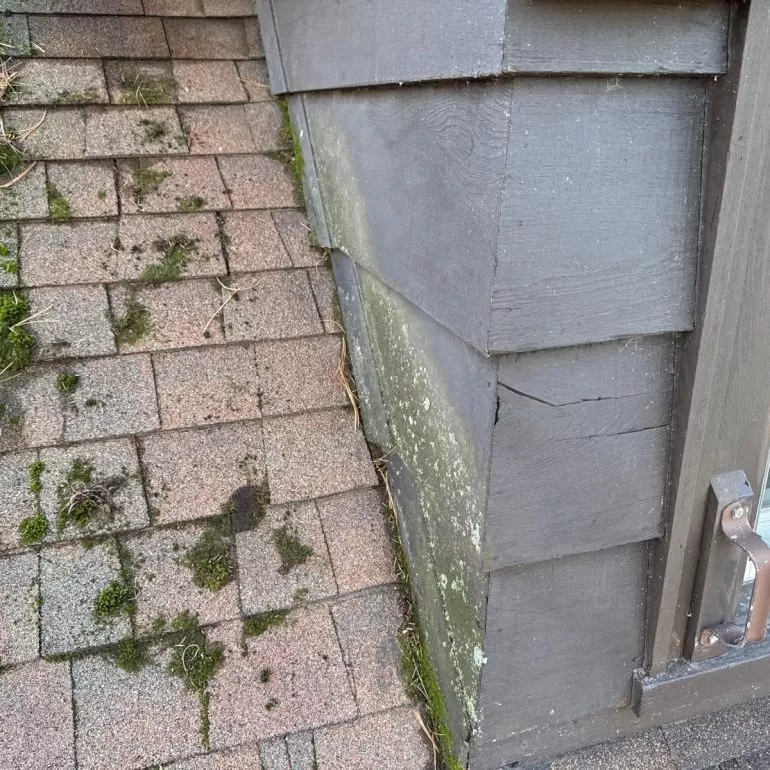
Common signs include missing shingles, cracked or lifted shingles, granules from asphalt shingles collecting in gutters, water stains on ceilings or attic spaces, damaged flashing around chimneys or vents, and debris such as tree branches on the roof. In some cases, the damage may not be visible from the ground, which is why professional inspection is recommended.
Another key indicator is gutter damage. When gutters become clogged or detached, water cannot drain properly, which increases the risk of leaks and roof deterioration. Maintaining proper drainage with Professional Gutter Services can help prevent future problems.
Immediate Steps to Take After a Storm
When storm damage occurs, acting quickly can prevent additional water intrusion and structural damage. The following table outlines essential emergency actions homeowners should take.
| Step | Action | Purpose |
|---|---|---|
| 1 | Ensure safety before inspection | Avoid injury from debris, broken materials, or unstable roofing structures |
| 2 | Check attic and ceilings for leaks | Identify water intrusion early before it spreads |
| 3 | Document visible damage | Helps support insurance claims and repair estimates |
| 4 | Apply temporary roof tarping | Prevents rain from entering the home |
| 5 | Contact a professional roofing expert | Ensures proper emergency repair and inspection |
Photographing damaged areas is highly recommended. Insurance companies often require documentation before approving claims for roof repairs or replacement.
Temporary Emergency Roof Protection
Emergency roof repair typically begins with temporary protective measures. The primary goal is to prevent water from entering the house until permanent repairs are completed.
Roof tarping is one of the most common emergency solutions used by professional roofing teams. A durable waterproof tarp is securely installed over the damaged area to protect the roof from additional rainfall and wind. This temporary fix helps prevent interior damage such as mold growth, insulation damage, and ceiling collapse.
Climbing onto a roof after a storm can be extremely dangerous. Wet surfaces, loose debris, and structural instability increase the risk of accidents. For this reason, it is always safer to contact an experienced roofing contractor with the equipment and training to handle emergencies.
Common Types of Storm Roof Damage
Storms can affect roofing systems in several different ways, depending on the severity of the weather conditions.
Wind damage is one of the most frequent problems. Strong winds can loosen or completely remove shingles, exposing the underlayment and roof deck. Hail damage may leave dents, cracks, or punctures that weaken the roof’s protective surface.
Falling tree branches may cause punctures or structural damage to the roof deck. Heavy rainfall can also expose vulnerabilities in older roofs where flashing or sealants have already deteriorated.
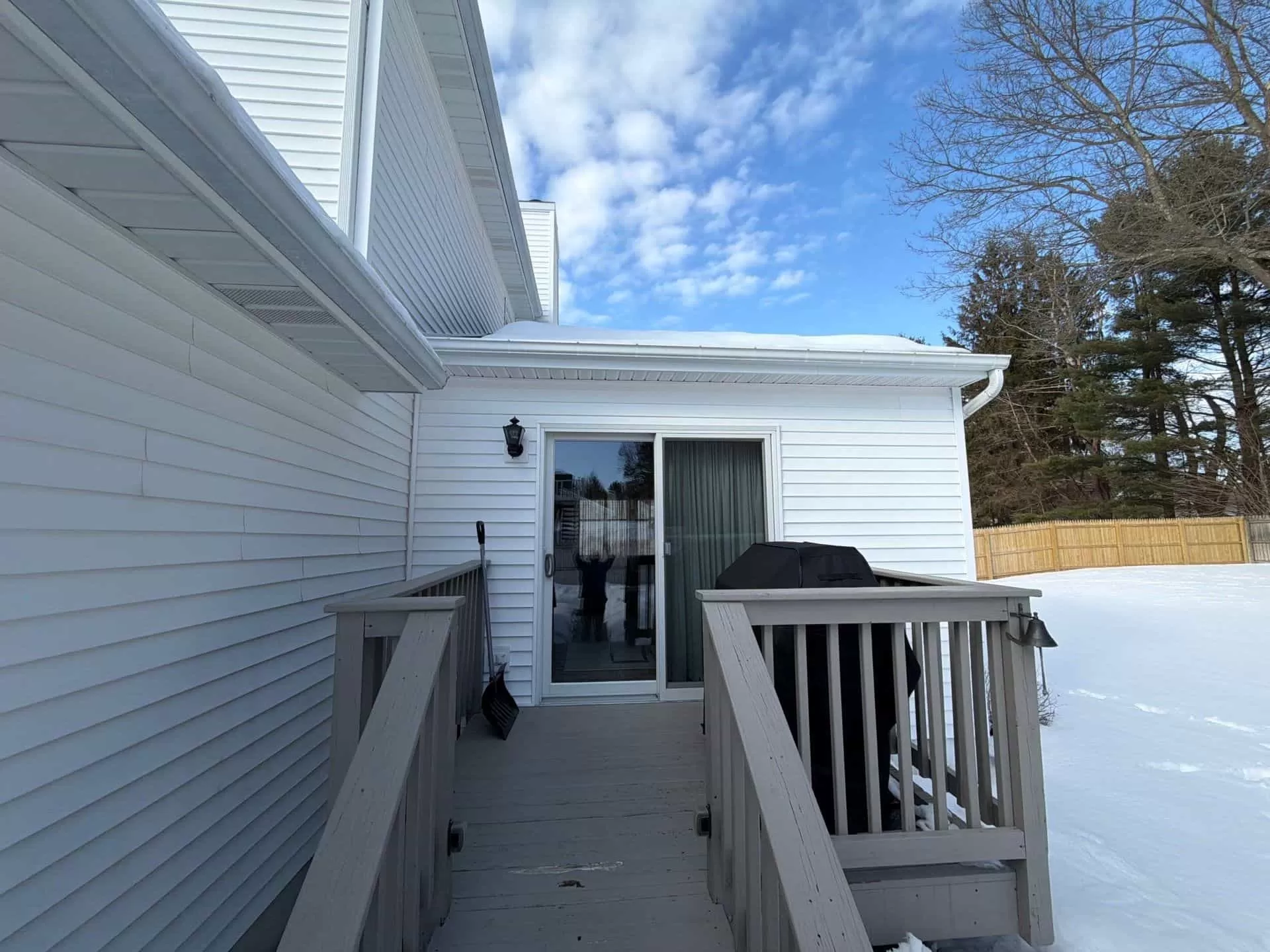
Storms can also damage exterior components of the home, such as siding and gutters. Working with an experienced Siding Contractor ensures that both roofing and exterior structural elements are repaired properly.
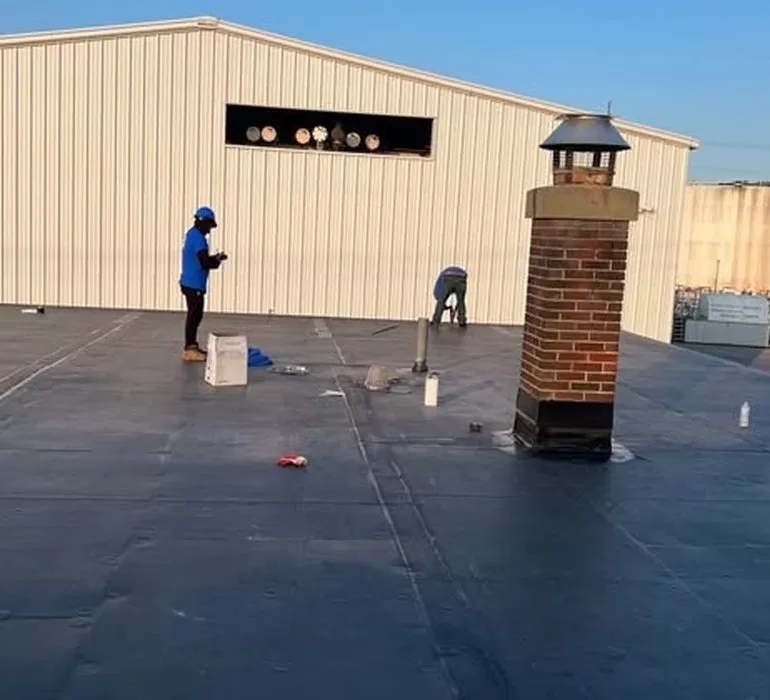
For business buildings, storm damage often affects large roof surfaces that require specialized repair techniques. In such cases, professional Commercial Roofing services are necessary to restore the building safely.
Why Professional Roof Inspection Matters
Many homeowners assume that if they cannot see obvious damage, their roof must be fine. However, hidden storm damage is very common and can lead to major structural problems over time.
Professional roof inspections include checking shingles, flashing, vents, roof decking, sealants, and drainage systems. Experienced roofing specialists also identify small punctures or loosened materials that are not visible from the ground.
A reliable Roofing Company can provide a full inspection report and recommend whether the roof requires minor repairs or a full replacement. For homeowners, working with experts who specialize in Residential Roofing Service ensures that repairs meet safety standards and local building codes.
Preventing Future Storm Damage
Although storms cannot be prevented, homeowners can take several steps to strengthen their roofing system and reduce potential damage.
Routine roof inspections are one of the most effective prevention strategies. Inspecting the roof once or twice a year allows small problems to be repaired before they worsen. Cleaning gutters, replacing damaged shingles, and trimming nearby tree branches also help reduce storm-related risks.
Proper attic ventilation is another important factor. When heat and moisture accumulate inside the attic, roofing materials deteriorate more quickly and become weaker during severe weather.
Investing in durable roofing materials and working with a professional Roofing Contractor can significantly improve your roof’s resistance to storms and extend its lifespan.
When to Call a Roofing Professional
Storm-related roof damage should never be ignored. If you notice missing shingles, water leaks, sagging areas, or fallen debris on your roof, contacting a professional roofing expert immediately is essential.
Quick response can prevent secondary issues such as mold growth, electrical hazards, or insulation damage. Professional roofing teams have the necessary equipment and safety training to handle emergency repairs efficiently.
If homeowners need immediate help after storm damage, Center Construction Roofing can assist with inspections, temporary roof protection, and full repair services to restore the safety and durability of the roof.
Frequently Asked Questions
How quickly should roof storm damage be repaired?
Emergency repairs should ideally be completed within 24 to 48 hours to prevent water intrusion and structural deterioration.
Can a small roof leak become a serious problem?
Yes. Even small leaks can spread moisture into insulation and structural components, leading to mold growth and expensive repairs.
How do professionals handle emergency roof repair?
Roofing experts typically start with a safety inspection, apply temporary protective measures such as tarping, and then perform permanent repairs once the roof is fully evaluated.
What type of storms cause the most roof damage?
High wind storms, hailstorms, and hurricanes are among the most common weather events that cause serious roof damage.
How often should I have my roof inspected?
Most experts recommend a professional inspection at least once or twice per year and after major storms.
References
National Roofing Contractors Association (NRCA) Roofing Maintenance Guidelines
Federal Emergency Management Agency (FEMA) Storm Preparedness Resources
International Association of Certified Home Inspectors Roofing Inspection Standards