

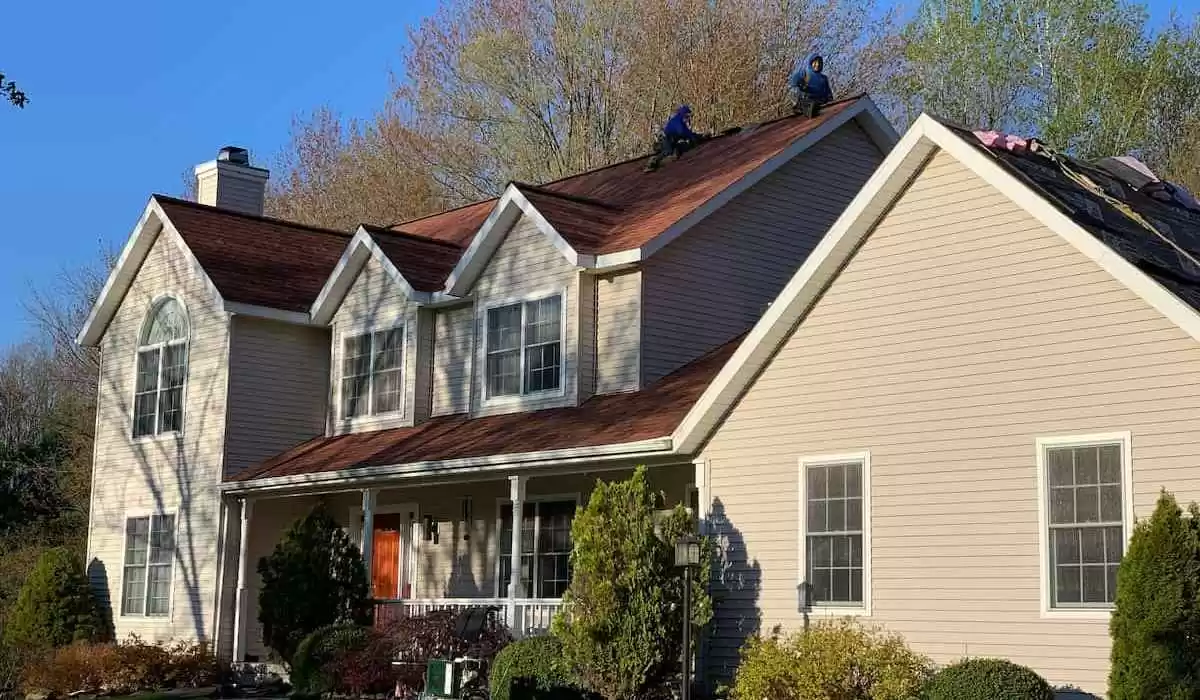
Replacing a roof is one of the most important investments a homeowner can make because the roof protects the structure, improves energy efficiency, and increases property value. However, roof replacement can be expensive depending on materials, labor, and home size. Many homeowners delay replacement because of cost concerns, which can lead to bigger structural problems and higher repair costs later. Understanding financing options helps homeowners make timely decisions and maintain their property safely. Whether you are planning a residential roofing project or looking for emergency roof replacement, exploring financial strategies ensures you get quality work without unnecessary financial stress. Professional contractors such as Center Construction Roofing often guide customers through financing choices so projects can move forward smoothly.
Why Roof Replacement Is a Necessary Investment
A damaged or aging roof can lead to water leaks, mold growth, insulation damage, and structural issues. According to housing and construction guidance commonly referenced by government housing resources and building standards, maintaining roofing systems is critical for home safety and energy efficiency. Delaying replacement often increases long term expenses. Modern roofing materials also improve insulation performance, helping reduce heating and cooling costs. Homeowners considering services like Roof Inspection or Roof Repair often discover that full replacement is more cost effective in the long run when damage is widespread. Investing early protects your home and prevents emergency repair costs that can be far more expensive.
Common Roof Replacement Financing Options
Different homeowners have different financial situations, so there are multiple ways to fund a roofing project. Understanding each option helps you choose the best solution for your budget and timeline.
| Financing Option | Best For | Key Benefits | Things To Consider |
|---|---|---|---|
| Home Equity Loan | Homeowners with built up equity | Lower interest rates and predictable payments | Uses home as collateral |
| Personal Loan | Fast project start | No home collateral required | Higher interest rates possible |
| Insurance Claim | Storm or accident damage | Can cover large portion of cost | Approval depends on policy terms |
| Contractor Payment Plans | Flexible monthly payments | Simple approval and fast start | Terms vary by contractor |
| Government Assistance Programs | Qualified homeowners | Lower cost or subsidized financing | Eligibility requirements apply |
Many homeowners combine financing methods. For example, insurance may cover storm damage while a loan covers upgrades or insulation improvements.
Smart Tips Before Choosing Financing
Before selecting financing, homeowners should review total project cost estimates carefully. A professional Roof Inspection helps determine whether you need minor repairs or full Replacement. Getting multiple quotes ensures fair pricing and helps with loan approval documentation. Checking credit scores before applying for financing can improve interest rates and loan terms. Homeowners should also confirm warranty coverage because strong warranties protect against future repair expenses. Energy efficient roofing materials may qualify for tax incentives or rebates depending on location and local regulations.
Hidden Cost Factors Homeowners Often Miss
Many competitor articles focus only on basic roof cost but miss secondary expenses. Homeowners should also consider gutter replacement, attic insulation upgrades, and siding repairs that may be necessary during roofing work. Services like Gutters, Insulation, and Siding improvements often increase total project cost but improve long term home protection. Permits and disposal fees are also frequently overlooked but can impact final pricing. Planning for these costs prevents budget surprises during construction.
When Insurance Can Help Pay for Roof Replacement
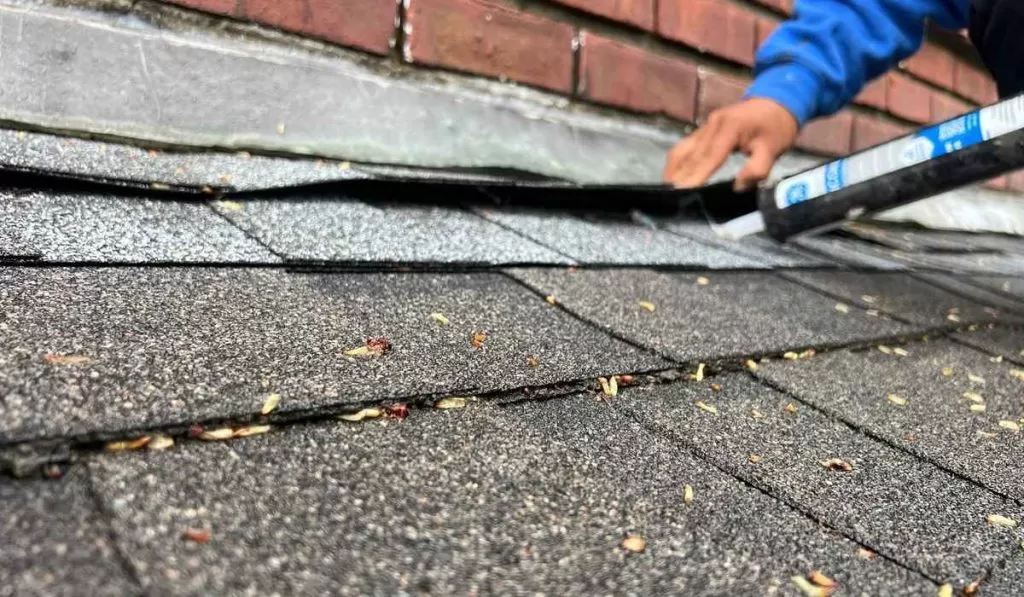
Homeowners insurance typically covers roof damage caused by storms, falling debris, or unexpected accidents. However, normal wear and aging are usually not covered. Documentation is critical when filing claims. Photos, inspection reports, and contractor estimates help speed approval. Many professional roofing contractors including Center Construction Roofing assist customers with inspection reports and claim documentation to simplify the process. Acting quickly after damage occurs increases claim approval chances.
Choosing the Right Roofing Contractor Matters
Financing only helps if the roofing work is done correctly. Choosing an experienced contractor ensures proper installation, material quality, and warranty protection. Homeowners should verify licensing, insurance coverage, and customer reviews before signing contracts. Reliable contractors also provide clear written estimates and financing transparency. If homeowners need help with services such as Cleaning, Renovation, or Residential roofing projects, working with a trusted contractor ensures long lasting results. Customers interested in full service roofing support can contact Center Construction Roofing for consultation and service guidance.
Future Roofing Trends That Impact Financing Decisions
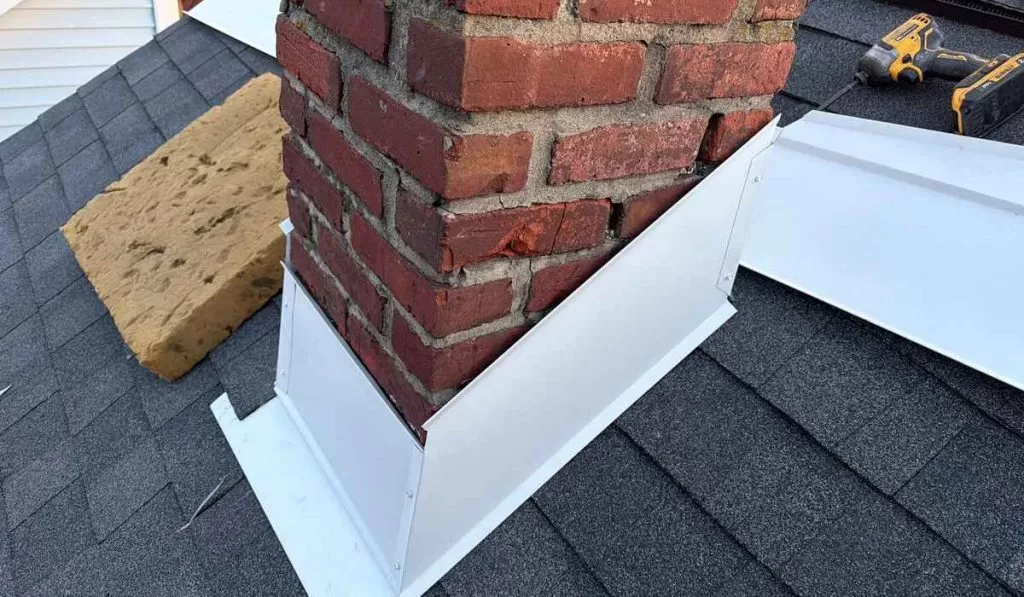
Modern roofing trends focus on energy efficiency, durability, and sustainability. Solar ready roofing systems, impact resistant shingles, and advanced insulation systems are becoming more popular. These upgrades can increase upfront costs but reduce long term maintenance and energy bills. Homeowners following Top Roofing Tips & Trends often discover that financing higher quality materials saves money over time through durability and energy savings.
Frequently Asked Questions
How much does roof replacement usually cost
Costs vary based on material type, roof size, and labor but most residential projects range from moderate to high investment levels depending on complexity.
Can I finance roof replacement with bad credit?
Some contractors and lenders offer flexible financing or co signer options, though interest rates may be higher.
How long does roof replacement financing approval take?
Personal loans and contractor financing may be approved within days while home equity loans can take several weeks.
Is roof replacement tax deductible?
Typically it is not tax deductible unless related to home office or energy efficiency improvements depending on local tax rules.
Should I repair or replace my roof?
If damage is widespread or roof age exceeds material lifespan, replacement is usually more cost effective than repeated repairs.
Conclusion
Financing your roof replacement is about balancing immediate cost with long term value and home protection. By understanding financing options, planning for hidden costs, and working with experienced roofing professionals, homeowners can complete projects without financial stress. Proper planning ensures your home stays protected, energy efficient, and structurally safe for years to come.
References
U.S. Department of Housing and Urban Development housing maintenance guidance
Federal Emergency Management Agency home repair and disaster recovery resources


