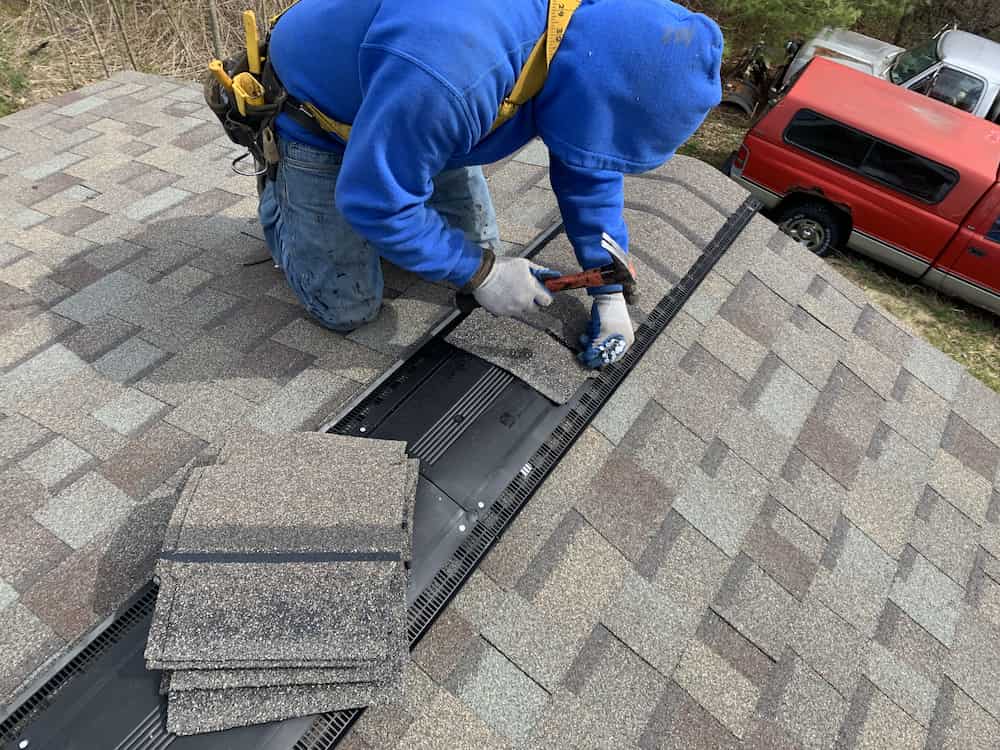
Metal roofs are renowned for their durability and longevity, but even the most robust roofing systems can develop leaks over time. Whether caused by weather damage, aging fasteners, or improper installation, identifying the source of a metal roof leak quickly is essential to preventing costly water damage to your property’s interior.
Finding a leak in a metal roof requires a systematic approach and keen observation. While metal roofing systems are generally low-maintenance, factors like thermal expansion, loose screws, and sealant deterioration can create entry points for water. For homeowners and business owners in Albany, NY, and surrounding areas, Center Construction LLC provides expert roofing services, including comprehensive leak detection, repair, and maintenance.
Understanding Common Leak Sources in Metal Roofing
Before you begin your inspection, it’s helpful to know where leaks typically originate:
- Fastener penetrations – Screws and nails can work loose or develop rust
- Seam failures – Panel overlaps may separate due to thermal movement
- Flashing issues – Areas around chimneys, vents, and valleys are vulnerable
- Damaged panels – Dents, punctures, or corrosion create openings
- Gutter connections – Improper drainage can force water under edges
Understanding these common problem areas helps you conduct a more targeted inspection and find a leak in a metal roof more efficiently.
💡 Expert Tip: Leak Detection Strategy
Always inspect your metal roof from both inside and outside. Start in the attic during or immediately after rainfall to trace water stains back to their source. Remember: water can travel along panels before dripping, so the interior leak location may be several feet away from the actual roof penetration.
Step-by-Step Leak Detection Process
Interior Inspection First
Begin your search inside the building during a rainstorm if possible. Check your attic or ceiling space for:
- Active dripping or water streams
- Water stains, discoloration, or mold growth
- Wet insulation or structural members
- Light penetrating through gaps
Mark any problem areas you discover, as these will guide your exterior inspection. Professional roofing inspection services can identify issues that aren’t immediately visible to untrained eyes.
Exterior Roof Examination
Once you’ve identified potential problem zones from inside, carefully examine the exterior:
- Check all fasteners – Look for loose, missing, or corroded screws
- Inspect seams and overlaps – Verify panels are properly sealed
- Examine flashing – Ensure all transitions are watertight
- Review roof penetrations – Inspect boots, vents, and skylights
- Assess overall condition – Look for dents, rust, or panel damage
Safety is paramount during exterior inspections. If your roof is steep or high, or if conditions are wet or icy, contact professionals for residential roofing repair assistance.
Metal Roof Leak Detection Methods Comparison
When Professional Help Is Necessary
While DIY inspection can identify obvious problems, certain situations require professional expertise. Consider calling experts for commercial roofing or residential roofing services when:
- Leaks persist despite visible repairs
- Your roof sustained hail damage or severe storm impact
- Multiple leak sources exist
- The roof is older and may need roofing replacement services
- Safety concerns prevent adequate inspection
Professional contractors have specialized equipment like moisture meters and thermal imaging cameras that detect problems invisible to the naked eye. They can also assess whether localized repairs will suffice or if more extensive work is needed to find a leak in a metal roof and address underlying issues.
Frequently Asked Questions
Q: Can I find a leak in a metal roof without getting on the roof?
A: Yes, start with an interior attic inspection during rainfall to trace water paths. Binoculars can help examine the exterior from ground level, though a close-up inspection typically provides more accurate results.
Q: Why does water appear far from the actual leak location?
A: Metal roof panels channel water along their surface. Water can travel horizontally several feet along seams or under panels before finding a gap to drip through into your building’s interior.
Q: How often should I inspect my metal roof for potential leaks?
A: Conduct visual inspections twice yearly (spring and fall) and after major storms. Regular maintenance prevents small issues from becoming major leak problems.
Q: Are metal roof leaks covered by homeowner’s insurance?
A: Coverage depends on the leak’s cause. Storm damage and sudden events are typically covered, while leaks from deferred maintenance or wear usually aren’t. Document all damage with photos for insurance claims.
Don’t Let Metal Roof Leaks Compromise Your Property
Detecting leaks early saves you from expensive water damage and structural repairs. Center Construction LLC’s certified roofing specialists provide thorough inspections and reliable repairs throughout Albany, NY, and surrounding areas. Our team has the expertise to find a leak in a metal roof quickly and implement lasting solutions.
Conclusion
Learning how to find a leak in a metal roof empowers you to address problems before they escalate into costly repairs. By conducting systematic interior and exterior inspections, understanding common failure points, and knowing when to call professionals, you protect your investment and maintain your roof’s integrity. Remember that early detection and prompt repair are key to preserving your metal roofing system’s exceptional lifespan and performance.