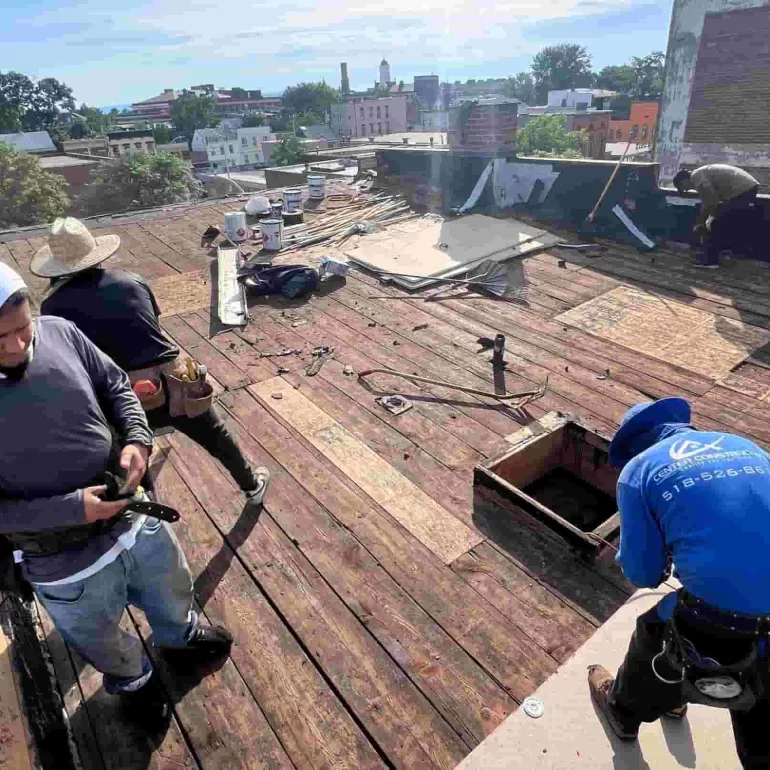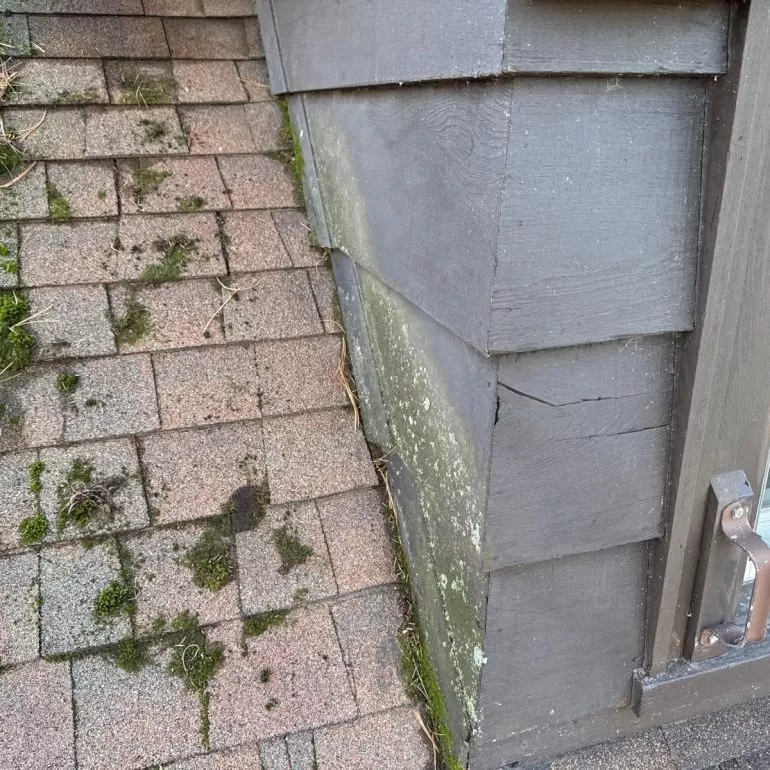


After a long winter season, your roof may suffer from hidden damage caused by snow, ice, freezing temperatures, and moisture buildup. Many homeowners do not realize that winter weather can weaken roofing materials, cause leaks, and shorten the lifespan of a roof. At Center Construction Roofing, our Roofing Company provides professional inspections, repairs, and maintenance services for both Residential Roofing and Commercial Roofing properties. A proper roof inspection after winter helps detect problems early and prevents expensive repairs in the future.
Winter weather can cause several types of roof damage including cracked shingles, ice dam formation, water leaks, clogged gutters, and flashing damage. If these issues are not addressed quickly, they can lead to structural damage and mold growth inside your home. That is why spring is the best time to inspect your roof and make necessary repairs.
Why Roof Inspection After Winter Is Important
Cold temperatures cause roofing materials to expand and contract, which can loosen shingles and create small gaps where water can enter. Snow accumulation adds extra weight to the roof structure, and when snow melts and refreezes, it can create ice dams that block proper drainage. This trapped water can seep under shingles and cause leaks.
This is why many Roofing Contactor professionals recommend seasonal inspections. According to Importance of roof inspections, regular inspections help identify minor problems before they become major roofing issues. Homeowners who inspect their roofs after winter can prevent water damage, insulation problems, and interior ceiling leaks.
Signs of Roof Damage After Winter
Before climbing onto your roof, you should first inspect your home from the ground. Look for visible warning signs that indicate roof damage.
| Problem | What to Look For | Possible Solution |
|---|---|---|
| Missing Shingles | Shingles on the ground or roof patches | Shingle replacement |
| Roof Leaks | Water stains on ceiling or attic | Roof leak repair |
| Ice Dam Damage | Water near roof edges | Improve ventilation and insulation |
| Clogged Gutters | Overflowing water | Roof cleaning and maintenance tips |
| Flashing Damage | Loose metal around chimney or vents | Flashing repair |
These problems are very common after winter and should be fixed as soon as possible to prevent further damage.
Step by Step Roof Inspection Checklist
A proper inspection involves checking different parts of the roof carefully. Start by inspecting the attic for signs of moisture, mold, or water stains. Then check the ceiling for discoloration or peeling paint, which may indicate a roof leak.
Next, inspect shingles for cracks, curling, or missing pieces. Check flashing around chimneys, vents, and skylights because these areas are common leak points. Gutters should also be checked for debris, ice damage, and proper drainage.
If you notice any damage, it is best to contact a professional roofing expert instead of attempting major repairs yourself. Professional roofers have the proper safety equipment and experience to handle roof repairs safely.
Common Roof Problems Found After Winter
During a professional roof inspection, contractors often find problems that homeowners cannot see from the ground. Some of the most common issues include damaged underlayment, small punctures from ice, loose flashing, and ventilation problems.
Another common issue is gutter damage. When gutters are clogged, water cannot drain properly and may pool on the roof. This increases the risk of leaks and structural damage. Following proper Roof cleaning and maintenance tips can help prevent these issues in the future.
Leaks are also very common after winter. If you notice water stains or mold in your attic, you may need immediate Roof leak repair to prevent interior damage.
When to Call a Professional Roofing Contractor
Some roof damage is not visible from the ground, which is why professional inspections are recommended after winter. A professional roofer can identify hidden damage, check the roof structure, and recommend whether you need repairs or a full roof replacement.
If your roof is more than 15 to 20 years old, winter damage may accelerate roof deterioration. In such cases, a professional inspection can help determine the remaining lifespan of your roof and prevent unexpected failures.
Homeowners who want to protect their property should schedule a professional roof inspection at least once a year, especially after severe winter weather.
How to Prevent Roof Damage Next Winter
Preventive maintenance is the best way to avoid expensive roof repairs. Cleaning gutters regularly, removing snow buildup, checking attic ventilation, and replacing damaged shingles can significantly extend the life of your roof.
Proper insulation also prevents ice dams from forming. When warm air escapes through the attic, it melts snow on the roof, which then refreezes at the edges and creates ice dams. Proper ventilation and insulation help prevent this problem.
Regular maintenance and inspections keep your roof in good condition and protect your home from water damage.
FAQ
How do I know if my roof was damaged during winter?
Look for missing shingles, water stains on ceilings, clogged gutters, and ice dam damage. These are common signs of winter roof damage.
Should I inspect my roof myself or hire a professional?
You can perform a basic inspection from the ground, but a professional roofing contractor can identify hidden damage safely and accurately.
What is the most common roof damage after winter?
The most common problems include roof leaks, ice dam damage, cracked shingles, and flashing damage.
How often should I inspect my roof?
Roof inspections should be done at least once a year and after severe storms or winter seasons.
Can winter damage cause roof leaks later?
Yes, small winter damage can turn into major leaks during spring rain if not repaired on time.