

Roofing is one of the most important components of any residential or commercial structure, yet it is often overlooked until problems become unavoidable. A roof does much more than cover a building; it protects occupants from weather extremes, contributes to energy efficiency, and plays a major role in structural integrity and property value. Understanding roofing systems, materials, installation standards, maintenance practices, and replacement timing can help homeowners and property managers make informed decisions that prevent costly damage and extend the lifespan of their investment.
Modern roofing has evolved far beyond simple coverings. Today’s roofs are engineered systems designed to resist wind uplift, manage moisture, regulate indoor temperature, and meet strict building codes. Choosing the right roofing solution requires evaluating climate conditions, architectural style, budget, and long-term performance expectations. This guide explores roofing in depth, filling common content gaps found in competitor articles by combining technical clarity with practical homeowner advice.
What Roofing Really Is and Why It Matters
Roofing refers to the materials and construction techniques used to create the uppermost protective layer of a building. It includes not only the visible outer covering but also underlayment, flashing, ventilation components, and drainage systems. When these elements work together correctly, they prevent water intrusion, reduce heat transfer, and protect the structure beneath.
A well-designed roof contributes to indoor comfort by minimizing heat loss in winter and heat gain in summer. It also helps prevent mold growth, wood rot, and insulation failure. In regions prone to storms, snow, or intense sunlight, roofing quality can mean the difference between minor maintenance and major structural repair.
Common Roofing Materials and Their Performance Characteristics
Different roofing materials serve different purposes, and no single option is ideal for every property. Asphalt shingles remain the most widely used material due to affordability and ease of installation. They offer decent durability and come in various styles and colors, making them suitable for many residential homes.
Metal roofing has gained popularity for its longevity, fire resistance, and energy efficiency. It reflects solar heat and can last several decades when properly installed. Clay and concrete tiles are known for durability and aesthetic appeal, particularly in warm climates, though they require stronger structural support due to their weight.
Slate roofing is a premium option valued for natural beauty and exceptional lifespan. While expensive, slate can last over a century when maintained correctly. Flat or low-slope roofs often use membrane systems such as TPO, EPDM, or modified bitumen, which are designed to provide waterproof protection and flexibility.
Roofing Installation and Structural Considerations
Proper installation is just as important as material selection. Even the highest-quality roofing material can fail prematurely if installed incorrectly. Installation begins with a solid roof deck that is free from rot or structural weakness. Underlayment acts as a secondary water barrier, while flashing protects vulnerable areas such as chimneys, vents, and roof valleys.
Ventilation is a critical but frequently underestimated aspect of roofing. Balanced intake and exhaust ventilation help regulate attic temperature and moisture levels, preventing ice dams, condensation, and premature aging of roofing materials. Building codes and manufacturer specifications must be followed closely to ensure warranty coverage and long-term performance.
Roof Maintenance and Inspection Best Practices
Regular maintenance significantly extends the life of a roof. Homeowners should schedule professional inspections at least once a year and after major storms. Early detection of cracked shingles, loose flashing, or clogged drainage systems allows for minor repairs before they escalate into major problems.
Cleaning debris from roof surfaces and gutters helps prevent water pooling and structural stress. Trimming overhanging branches reduces the risk of physical damage and moss growth. While some minor issues can be addressed by homeowners, professional assessment ensures safety and accuracy, especially on steep or high roofs.
When Roof Repair Is Enough and When Replacement Is Necessary
One common gap in competitor content is clearly explaining the difference between repair and replacement. Repairs are appropriate when damage is localized and the roofing system is relatively new. Replacing a few shingles or resealing flashing can restore functionality without major expense.
Replacement becomes necessary when a roof reaches the end of its expected lifespan, shows widespread deterioration, or experiences repeated leaks. Aging roofs often lose protective granules, develop structural sagging, or fail to meet modern building standards. Investing in replacement at the right time prevents interior damage and improves energy efficiency.
Energy Efficiency and Roofing Performance
Roofing plays a key role in energy consumption. Reflective roofing materials and proper insulation reduce the strain on heating and cooling systems. Cool roofing technologies are designed to reflect more sunlight and absorb less heat, making them especially beneficial in warmer climates.
Energy-efficient roofing can also contribute to sustainability goals by lowering carbon emissions and reducing utility costs. Many modern roofing products are recyclable and designed to meet environmental performance standards recognized by government and industry organizations.
Roofing Safety Standards and Regulations
Roofing work involves significant safety risks, including falls and material handling hazards. Professional contractors follow safety guidelines established by organizations such as Occupational Safety and Health Administration to protect workers and property occupants. Compliance with local building codes ensures that roofing systems meet minimum performance and safety requirements.
Homeowners should verify that any roofing service provider follows regulatory standards, carries proper insurance, and uses trained professionals. This not only reduces liability but also ensures the roofing system performs as intended.
Comparative Overview of Roofing Options
Below is a comparative table summarizing key roofing materials and their general characteristics.
| Roofing Material | Average Lifespan | Maintenance Level | Energy Efficiency | Cost Range |
|---|---|---|---|---|
| Asphalt Shingles | 20–30 Years | Moderate | Medium | Low to Medium |
| Metal Roofing | 40–70 Years | Low | High | Medium to High |
| Clay or Concrete Tiles | 50+ Years | Low | Medium | High |
| Slate Roofing | 75–100+ Years | Low | Medium | Very High |
| Flat Roof Membranes | 20–30 Years | Moderate | High | Medium |
Choosing Professional Roofing Services
Selecting the right contractor is a crucial step in any roofing project. Experienced professionals evaluate structural conditions, recommend suitable materials, and ensure compliance with safety and building standards. Reputable companies provide transparent estimates, warranties, and post-installation support.
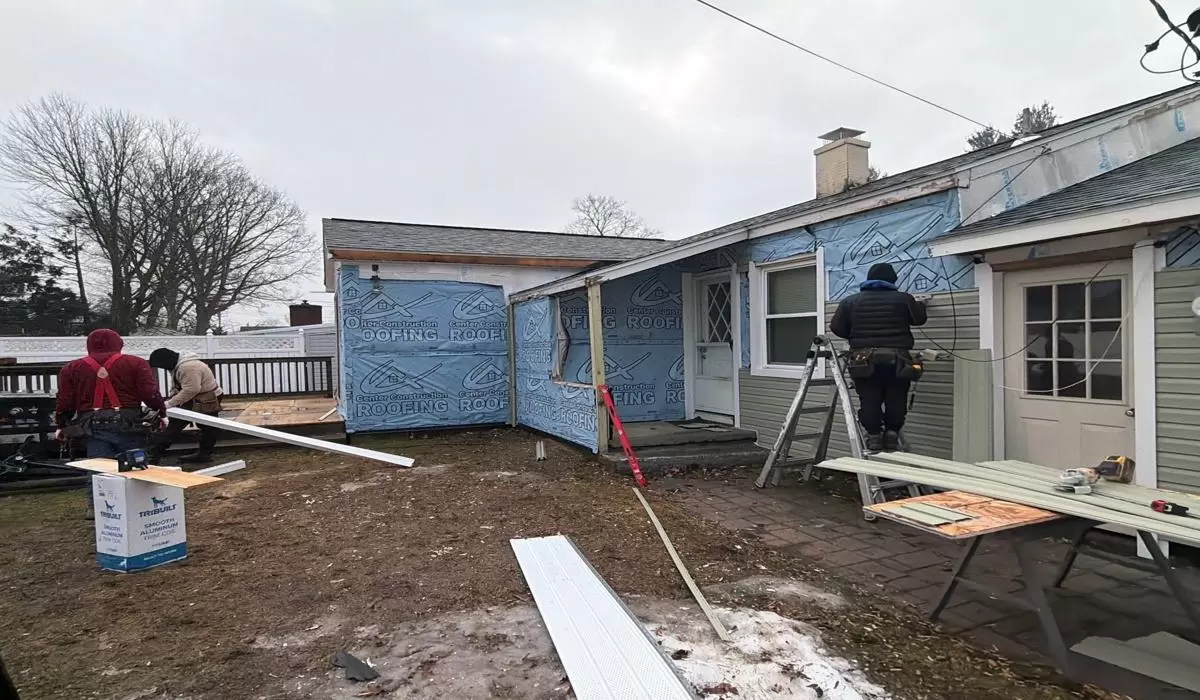
For homeowners seeking reliable installation, repair, or replacement services, Center Construction Roofing offers professional solutions tailored to property needs and local conditions. Their approach focuses on quality materials, proper installation techniques, and long-term customer satisfaction. Homeowners considering roofing services should look for providers that prioritize inspection accuracy, clear communication, and durable results.
Frequently Asked Questions About Roofing
What is the average lifespan of a residential roof?
The lifespan depends on material, climate, and maintenance. Asphalt shingles typically last 20 to 30 years, while metal and tile roofs can exceed 50 years.
How often should a roof be inspected?
Professional inspections are recommended once a year and after major weather events to identify early signs of damage.
Can a new roof improve home value?
Yes, a new roof improves curb appeal, energy efficiency, and buyer confidence, often increasing resale value.
Is roofing replacement tax deductible?
In some cases, energy-efficient roofing upgrades may qualify for incentives or credits depending on local regulations.
How do I know if my roof has ventilation problems?
Signs include high energy bills, uneven indoor temperatures, moisture buildup in the attic, and premature shingle deterioration.
References and Trusted Sources
Roofing standards and safety guidance referenced in this article align with information provided by U.S. Department of Energy regarding energy-efficient building envelopes and by Environmental Protection Agency on sustainable construction practices. General definitions and material characteristics are consistent with educational resources from Wikipedia and publicly available building science literature.
Final Thoughts
Roofing is a long-term investment that directly affects safety, comfort, and property value. Understanding materials, installation principles, maintenance requirements, and service selection empowers homeowners to make confident decisions. Whether planning routine maintenance or a full replacement, informed choices lead to stronger, longer-lasting roofs and reduced costs over time.


