
Roofing is one of the most critical structural components of any residential or commercial building because it protects the entire structure from weather damage, water penetration, and environmental stress. A high quality roof not only improves safety but also increases property value and energy efficiency. Many online roofing articles focus only on materials or only on repair tips, but a complete roofing solution requires understanding structure, ventilation, insulation, weather resistance, and long term maintenance.
Modern roofing systems are designed to withstand extreme weather conditions including heavy rain, snow, heat, and wind pressure. Professional roofing planning involves structural assessment, slope calculation, drainage design, and material compatibility. Property owners who invest in quality roofing systems often experience fewer repair issues and lower energy bills because modern roofing supports temperature regulation inside the building.
For property owners who are searching for professional roofing services, companies like Center Construction Roofing focus on providing long lasting and high quality roofing solutions based on structural requirements and environmental conditions.
Types of Roofing Materials and Their Performance
Choosing the right roofing material is essential because different materials offer different levels of durability, insulation, and cost efficiency. Many competitor posts only compare price but ignore lifespan and maintenance requirements, which are equally important for long term investment.
Below is a comparison table of common roofing materials used in modern construction.
| Material Type | Average Lifespan | Maintenance Level | Weather Resistance | Cost Range |
|---|---|---|---|---|
| Asphalt Shingles | 15 to 30 Years | Medium | Moderate | Low to Medium |
| Metal Roofing | 40 to 70 Years | Low | High | Medium to High |
| Clay Tiles | 50 to 100 Years | Low | Very High | High |
| Slate Roofing | 75 to 150 Years | Very Low | Extremely High | Very High |
| Wood Shingles | 20 to 40 Years | High | Moderate | Medium |
Each material has specific installation requirements. Metal roofing is popular for modern commercial buildings due to durability and fire resistance. Asphalt shingles remain common for residential properties because of affordability and easier installation. Slate and clay are considered premium roofing options and are often used in luxury or historic buildings.
Roofing Installation Process Explained
A proper roofing installation process is essential for long term durability. Many articles online skip step by step explanations, but understanding the full process helps property owners make informed decisions when hiring contractors.
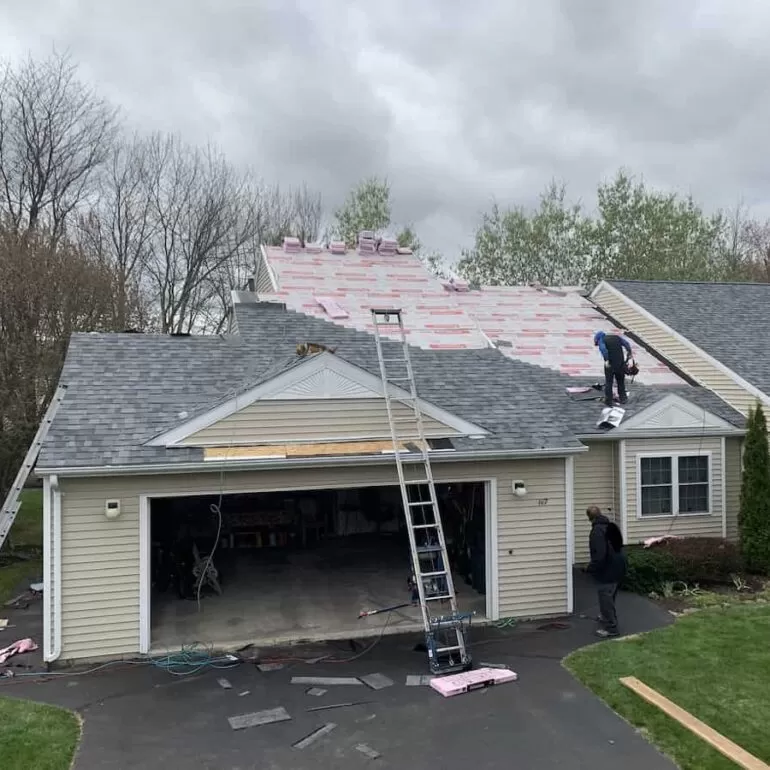
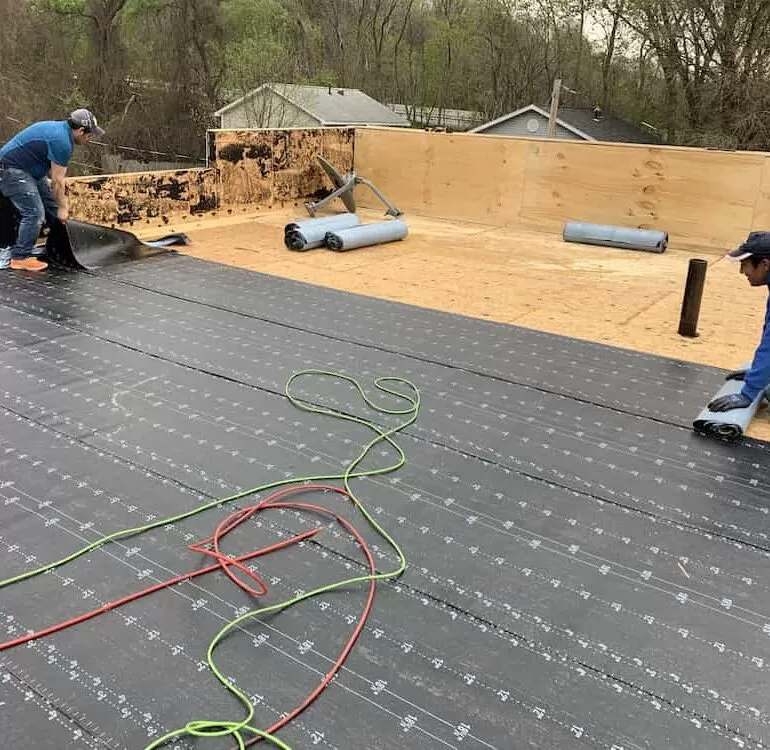
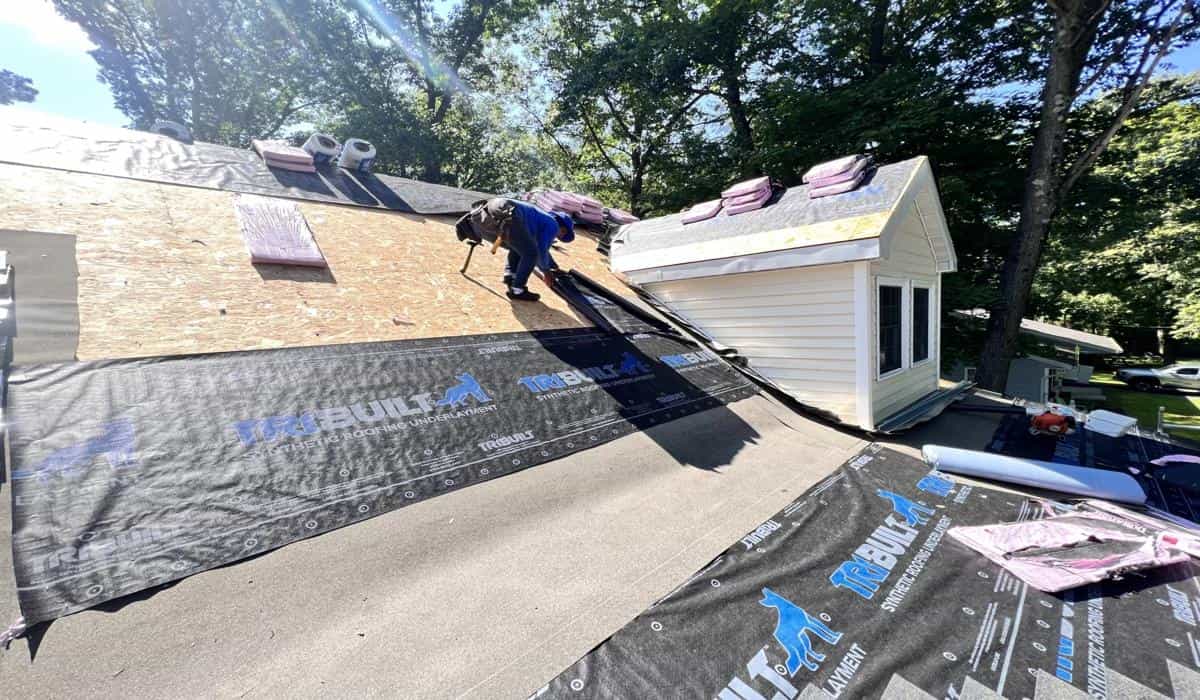
The installation process usually starts with roof inspection and structural evaluation. After inspection, the old roofing materials are removed if Roofing replacement is required. The roof deck is then inspected for damage or moisture issues. After that, underlayment and waterproof barriers are installed to protect against leaks. Finally, the selected roofing material is installed based on manufacturer guidelines and structural design requirements.
Professional installation ensures correct ventilation and water drainage which prevents mold growth and structural decay. Improper installation can lead to frequent repairs and reduced roof lifespan. Center Construction Roofing follows industry standard installation practices to ensure structural safety and long term durability.
Common Roofing Problems and How to Prevent Them
Roof damage can occur due to aging, weather exposure, poor installation, or lack of maintenance. Many competitor blogs only mention leaks, but roofing systems can face multiple issues including ventilation failure, insulation damage, flashing problems, and structural sagging.
Water leaks are often caused by damaged shingles or poor flashing installation around chimneys and vents. Poor ventilation can cause moisture buildup which leads to mold growth and wood rot. Extreme weather conditions can also weaken roofing materials over time.
Preventive maintenance is one of the most effective ways to extend roof lifespan. Regular inspection helps identify minor problems before they become major structural damage. Cleaning gutters and checking drainage systems also helps prevent water accumulation which can damage roofing structures.
Roofing Cost Factors and Budget Planning
Roofing cost depends on multiple factors including material type, labor cost, roof size, roof slope, and structural complexity. Many roofing articles only discuss material cost but ignore installation complexity and long term maintenance expenses.
Labor cost varies based on location and project difficulty. Steeper roofs require more safety measures which increases labor cost. Premium materials like slate and clay have higher installation costs due to weight and installation complexity. However, these materials often provide longer lifespan and lower maintenance cost which can balance the overall investment.
Energy efficient roofing systems may cost more initially but help reduce heating and cooling expenses. This makes them cost effective over the long term.
Importance of Professional Roofing Services
Professional roofing services provide structural safety, warranty coverage, and compliance with building regulations. DIY roofing may seem cost effective but improper installation can cause long term structural damage and higher repair costs.
Professional roofing contractors conduct structural assessment, recommend suitable materials, and ensure safe installation. They also provide maintenance support and emergency repair services. Customers who choose professional roofing services often experience better performance and longer roof lifespan.
Customers who want roofing installation, inspection, or repair services can contact Center Construction Roofing for professional consultation and customized roofing solutions based on property requirements.
How to Choose the Right Roofing Contractor
Choosing the right roofing contractor requires checking experience, licensing, insurance coverage, customer reviews, and project portfolio. Reliable contractors provide detailed project estimates, material warranty information, and installation timelines.
Property owners should avoid contractors who provide extremely low cost estimates because low pricing often indicates poor material quality or improper installation methods. Transparent communication and written contracts are essential for successful roofing projects.
Environmental and Energy Efficient Roofing Trends
Modern roofing trends focus on sustainability and energy efficiency. Green roofing systems help reduce urban heat and improve insulation performance. Solar integrated roofing systems are also becoming popular due to energy savings and environmental benefits.
Cool roofing materials reflect sunlight and reduce indoor temperature which lowers energy consumption. Sustainable roofing materials such as recycled metal and eco friendly shingles are gaining popularity in modern construction.
When Should You Replace Your Roof
Roof replacement is necessary when roofing materials reach the end of lifespan or when structural damage becomes severe. Warning signs include frequent leaks, visible sagging, missing shingles, mold growth, and increased energy bills.
Professional inspection helps determine whether repair or replacement is the best option. Timely replacement prevents structural damage and increases property value.
FAQ Section
What is the average lifespan of a roof
The average lifespan depends on material type. Asphalt shingles usually last 20 to 30 years while metal roofs can last up to 70 years or more.
How often should a roof be inspected
Roof inspection is recommended at least once per year and after major storms.
Is metal roofing better than shingles
Metal roofing offers longer lifespan and better weather resistance but has higher initial cost compared to shingles.
How do I know if my roof needs replacement
Frequent leaks, visible structural damage, and aging materials are common signs that roof replacement may be required.
Can roofing improve energy efficiency
Yes modern roofing materials and proper insulation can significantly reduce heating and cooling costs.
Conclusion
Roofing is a long term investment that directly impacts building safety, energy efficiency, and property value. Understanding materials, installation methods, maintenance requirements, and cost factors helps property owners make smart roofing decisions. Choosing professional roofing services ensures proper installation and long term structural protection. Property owners who invest in high quality roofing systems often experience lower maintenance costs and better building performance.
References
Wikipedia Roofing Construction and Materials Overview
U.S. Department of Energy Energy Efficient Roofing Guidelines
National Institute of Building Sciences Roofing Design Standards
Center Construction Roofing Official Service Information