
Choosing the right roofing material is one of the most important decisions a homeowner can make. Your roof protects everything beneath it from wind, rain, sun, snow, and extreme temperatures. It also plays a major role in energy efficiency, long-term maintenance costs, resale value, and aesthetic appeal. With so many roofing options available on the market, it’s easy to feel overwhelmed. This detailed comparison looks closely at the three most popular residential roofing materials — asphalt shingles, metal roofing, and tile roofing — outlining their costs, performance characteristics, advantages, disadvantages, typical lifespans, and ideal uses to help you make an informed choice for your next roofing project.
Prior to diving into comparisons, it’s worth noting that roofs are not one-size-fits-all. The best material for your home depends on many factors, including budget, climate and weather conditions, architectural style, long-term plans for the property, and maintenance expectations. What works well in one region or for one homeowner may not work as well in another.
What Homeowners Should Know Before Choosing a Roofing Material
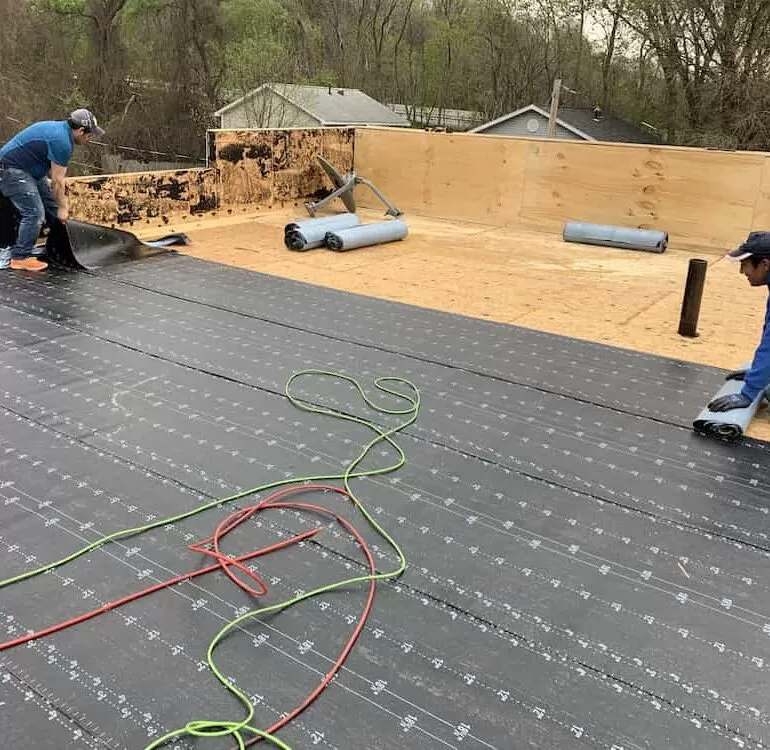
A roof is more than just shingles or panels. Installation quality, underlayment and flashing, attic ventilation, insulation, and roof pitch all affect performance and longevity. A poorly installed roof can fail early regardless of material quality. Always work with experienced professionals — and if you’re considering a DIY approach, make sure you understand the safety, code, and warranty requirements.
Climate, in particular, is a key consideration. Asphalt shingles perform well in moderate climates, but extreme heat, heavy rain, snow, or hurricane winds can shorten their lifespan. Metal and tile roofs handle severe weather differently, and some may cost more upfront but save money in the long run due to durability and energy savings.
The sections below break down each material’s key attributes so you can compare them side-by-side.
Asphalt Shingles: The Affordable All-Around Choice
Overview
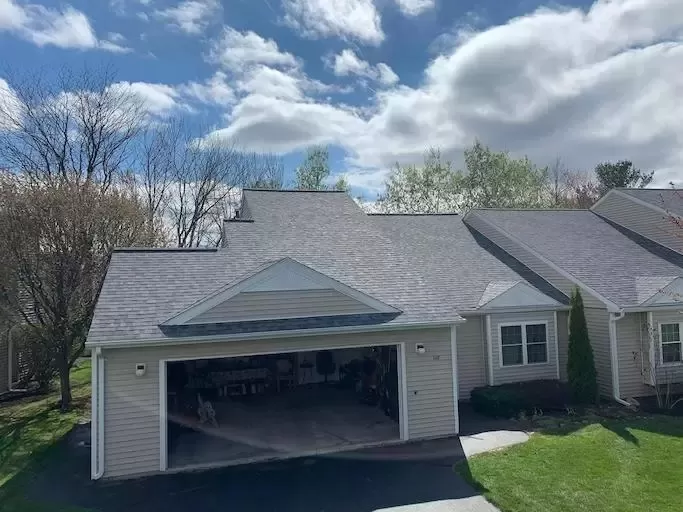
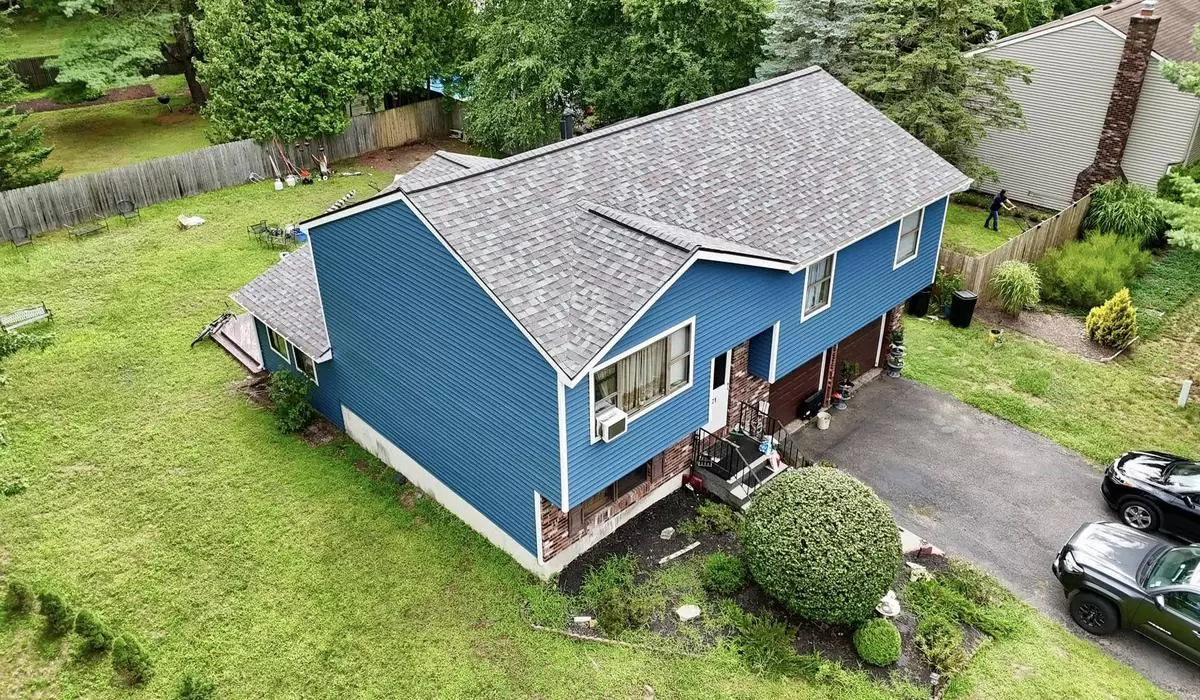
Asphalt shingles are the most widely used residential roofing material in North America and many other regions. They consist of a fiberglass or organic base coated with asphalt and topped with mineral granules.
Cost
One of the biggest advantages of asphalt shingles is cost. Basic asphalt shingle roofs typically range from around $5,000 to $12,000 for a standard-sized home, although prices vary by region and roof complexity.
Lifespan
Standard asphalt shingles usually last between 15 and 30 years, depending on the type and weather exposure. Architectural or premium shingles may extend this to 30 years or more.
Pros
- Most budget-friendly roofing option available.
- Widely available and easy for most contractors to install.
- Comes in a range of colors and styles to match different home aesthetics.
- Repairs and replacements are relatively simple.
Cons
- Shorter lifespan compared to metal and tile.
- More frequent maintenance and replacement cycles increase lifecycle costs.
- Vulnerable to severe weather like high winds and hail without impact-resistant options.
- Not as energy-efficient as metal or clay tile, and many shingles are petroleum-based and harder to recycle.
Best For
Homeowners on a moderate budget, those planning to sell the home within 10–20 years, or homeowners in mild climates where extreme weather is not common.
Metal Roofing: Long-Lasting and Energy Efficient
Overview
Metal roofing includes steel, aluminum, copper, and other metal panels or shingles. Modern metal roofs can resemble traditional shingles, slate, or tile, while offering superior durability.
Cost
Metal roofs cost more upfront than asphalt, typically ranging from $10,000 to $25,000 or more for an average home, depending on the material type, gauge, complexity, and finish.
Lifespan
Metal roofing can last 40 – 70 years or more with proper installation and maintenance. Some quality metal roofs are warrantied for 50 years.
Pros
- Exceptional longevity and durability, with excellent resistance to wind, fire, and hail.
- Highly energy efficient due to solar reflectivity, reducing cooling costs in hot climates.
- Often made from recycled materials and fully recyclable at end of life.
- Low maintenance compared to asphalt.
Cons
- Higher upfront installation cost.
- Can be noisier during rain or hail if not properly insulated.
- Prospective DIYers should avoid metal roofing due to installation complexity and safety challenges.
- Color fading and denting can occur with lower-grade metal panels.
Best For
Homeowners focused on long-term performance, energy savings, and low maintenance. Especially valuable in areas with severe weather or high cooling demands.
Tile Roofing: Durability Meets Classic Style
Overview
Tile roofs are made from clay or concrete and are celebrated for their timeless aesthetic and incredible longevity. Clay tile is especially common in Mediterranean, Spanish, or Southwestern architectural styles.
Cost
Tile roofs have some of the highest material and installation costs, typically ranging from $15,000 to $35,000 or more for an average home, depending on tile type and roof complexity.
Lifespan
With proper installation and care, tile roofs can last 50–100 years or longer, outliving most other roofing systems.
Pros
- Exceptional durability; often lasts multiple generations.
- Very resistant to fire, insects, and rot.
- Adds significant curb appeal and resale value due to its premium appearance.
- Excellent thermal performance in hot climates.
Cons
- Heavy; many homes require structural reinforcement before installation.
- Most expensive roofing choice upfront.
- Repairing broken tiles can be more difficult than repairing shingle or metal roofs.
Best For
Homeowners who plan to stay in their homes for decades, those in hot climates where thermal performance is crucial, and anyone seeking distinctive architectural beauty.
Asphalt vs Metal vs Tile: Quick Comparison
| Feature / Metric | Asphalt Shingles | Metal Roofing | Tile Roofing |
|---|---|---|---|
| Typical Installed Cost | Lowest | Moderate-High | Highest |
| Typical Lifespan | 15–30 Years | 40–70 Years | 50–100+ Years |
| Energy Efficiency | Moderate | High | High |
| Maintenance Level | Moderate | Low | Low |
| Weather Resistance | Moderate | Excellent | Excellent |
| Curb Appeal | Good | Good to Premium | Premium |
| Recyclability | Low | High | Moderate to High |
FAQ – Roofing Material Questions Homeowners Ask
What roofing material lasts the longest?
Tile roofs typically have the longest lifespan, often exceeding 50 years and in many cases lasting nearly a century or more. Metal roofs also offer long lifespans compared to asphalt.
Is metal roofing worth the higher cost?
For many homeowners, yes. Metal roofs require less maintenance and replacement over the long term, offer excellent weather and energy performance, and can increase home value.
Can asphalt shingles be installed in any climate?
Asphalt shingles work well in many temperate climates but may degrade more quickly in extreme sun, heavy rain, or hurricane-prone areas unless you choose impact-rated and high-quality architectural shingles.
Do tile roofs add resale value?
Yes. Because they are durable, attractive, and often associated with premium homes, tile roofs tend to improve resale value.
Professional Roof Services and Why They Matter
Choosing the right roofing material is only half the battle. Quality installation and proper ventilation, flashing, underlayment, and insulation practices ensure your roof performs as expected. Whether you choose asphalt, metal, or tile, investing in professional installation from experienced roofing experts can prevent leaks, early failures, warranty issues, and costly repairs down the road.
At Center Construction Roofing, our team brings years of experience installing and servicing a wide range of roofing systems. If you are considering a new roof or replacement, we provide expert consultations, accurate cost estimates, and skilled installation tailored to your home and budget. If you’d like to explore service options, request a quote, or learn which roofing material suits your home best, our professionals are here to help.