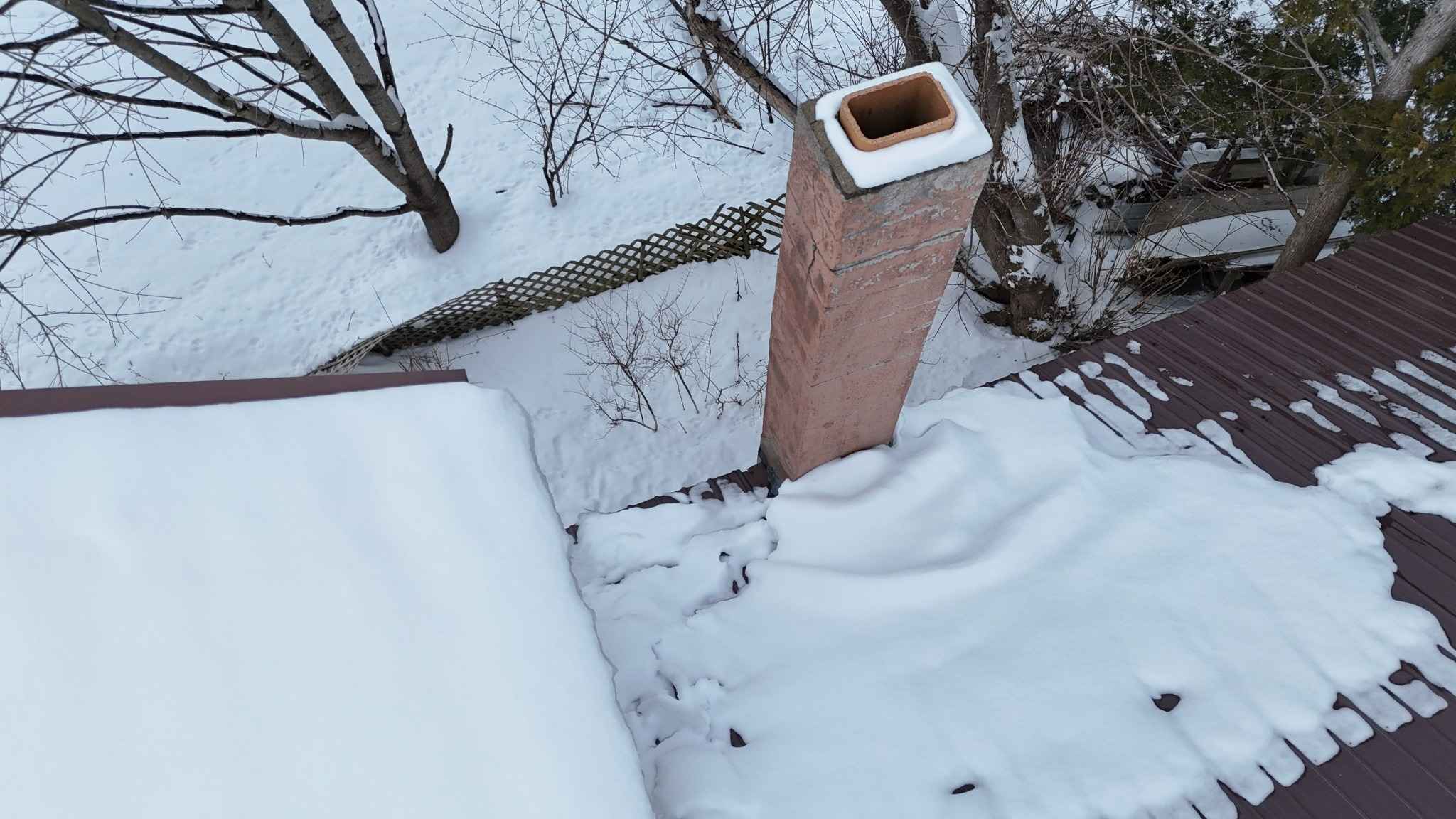
Winter weather can be very harsh on roofing systems, especially when heavy snow and ice accumulate on your roof and around your chimney. Many homeowners do not realize how much damage snow and ice can cause until they notice a leak or structural problem. At Center Construction Roofing, our Roofing Company provides professional services for Residential Roofing and Commercial Roofing, helping property owners identify winter roof damage early and prevent costly repairs. Snow and ice may look harmless, but over time they can weaken shingles, damage flashing, and cause serious roof leaks.
One of the biggest problems during winter is the freeze and thaw cycle. When snow melts during the day and refreezes at night, ice forms along roof edges and around chimneys. This ice buildup prevents proper drainage and forces water under shingles and flashing. Over time, this trapped water can cause leaks, mold growth, and interior ceiling damage.
Common Ways Snow and Ice Damage Roofs
Snow and ice can damage different parts of your roofing system. The most vulnerable areas include shingles, flashing, gutters, roof edges, and chimneys. When snow sits on the roof for a long time, it adds extra weight to the structure. This can weaken the roof deck and cause structural issues if the snow load becomes too heavy.
Ice dams are another major problem. Ice dams form when warm air from the attic melts snow on the roof, and the melted water refreezes near the edges. This creates a barrier that prevents proper drainage, allowing water to seep under shingles. This often leads to leaks and insulation damage. According to the Importance of roof inspections, regular inspections help identify these problems early before they become major repairs.
How Snow and Ice Damage Chimneys
Chimneys are one of the most common areas where winter roof damage occurs. Snow and ice often accumulate around the base of the chimney, where flashing is installed. When ice forms around flashing, it can loosen the seal and allow water to enter the roof structure.
Freeze and thaw cycles also cause chimney bricks and mortar to expand and contract. Over time, this can create cracks in the chimney structure. Once cracks form, water can enter and cause interior leaks and further structural damage. Many homeowners only notice this problem when they see water stains near the fireplace or ceiling.
Warning Signs of Snow and Ice Roof Damage
Homeowners should always check for warning signs after winter to prevent further damage. The table below shows common signs of winter roof damage and possible solutions.
| Warning Sign | Possible Cause | Recommended Action |
|---|---|---|
| Water stains on ceiling | Ice dam or flashing leak | Roof leak repair |
| Loose or missing shingles | Freeze and thaw damage | Shingle replacement |
| Ice buildup on roof edge | Poor attic ventilation | Improve ventilation |
| Leaking around chimney | Damaged chimney flashing | Flashing repair |
| Clogged gutters | Ice and debris buildup | Roof cleaning and maintenance tips |
If you notice any of these signs, it is important to contact a professional Roofing Contractor before the problem gets worse.
How to Prevent Snow and Ice Roof Damage
Preventive maintenance is the best way to protect your roof and chimney from winter damage. Proper attic insulation and ventilation help prevent ice dams from forming. When attic temperatures remain consistent, snow melts evenly and drains properly instead of refreezing at the edges.
Cleaning gutters before winter is also very important. Blocked gutters cause water to back up and freeze, which increases the risk of ice dams and roof leaks. Following proper Roof cleaning and maintenance tips can significantly reduce winter roof damage.
Another important step is scheduling a professional roof inspection before and after winter. Professional inspections help identify weak areas, damaged flashing, and small leaks before they turn into expensive repairs. Regular inspections also extend the lifespan of your roofing system.
When to Call a Professional Roofing Contractor
If you notice leaks, ice dams, or chimney flashing damage, it is best to contact a professional roofing expert immediately. Snow and ice damage can worsen quickly, especially when spring rain begins. Small leaks can turn into major structural problems if not repaired on time.
Professional roofers have the proper equipment and experience to inspect roofs safely and perform necessary repairs. Whether you need minor repairs or major restoration, professional roofing services ensure your home stays protected throughout the year.
FAQ
Can snow really damage a roof?
Yes, heavy snow adds weight to the roof and can cause structural damage, leaks, and ice dams.
What is an ice dam?
An ice dam is a ridge of ice that forms at the roof edge and prevents melting snow from draining properly.
Why does my chimney leak after winter?
Chimney leaks usually happen because flashing becomes damaged due to ice buildup and freeze thaw cycles.
How can I prevent snow damage on my roof?
Proper attic insulation, ventilation, gutter cleaning, and regular roof inspections help prevent winter roof damage.
When should I inspect my roof after winter?
Roof inspections should be done at the end of winter or early spring to identify any damage caused by snow and ice.
References
Nationwide Insurance Roofing Winter Damage Guide
University of Minnesota Extension Ice Dam Prevention Guide
Roof Maxx Winter Roofing Problems Guide
Certified Chimney Winter Leak Guide
Center Construction Roofing Inspection and Maintenance Resources