
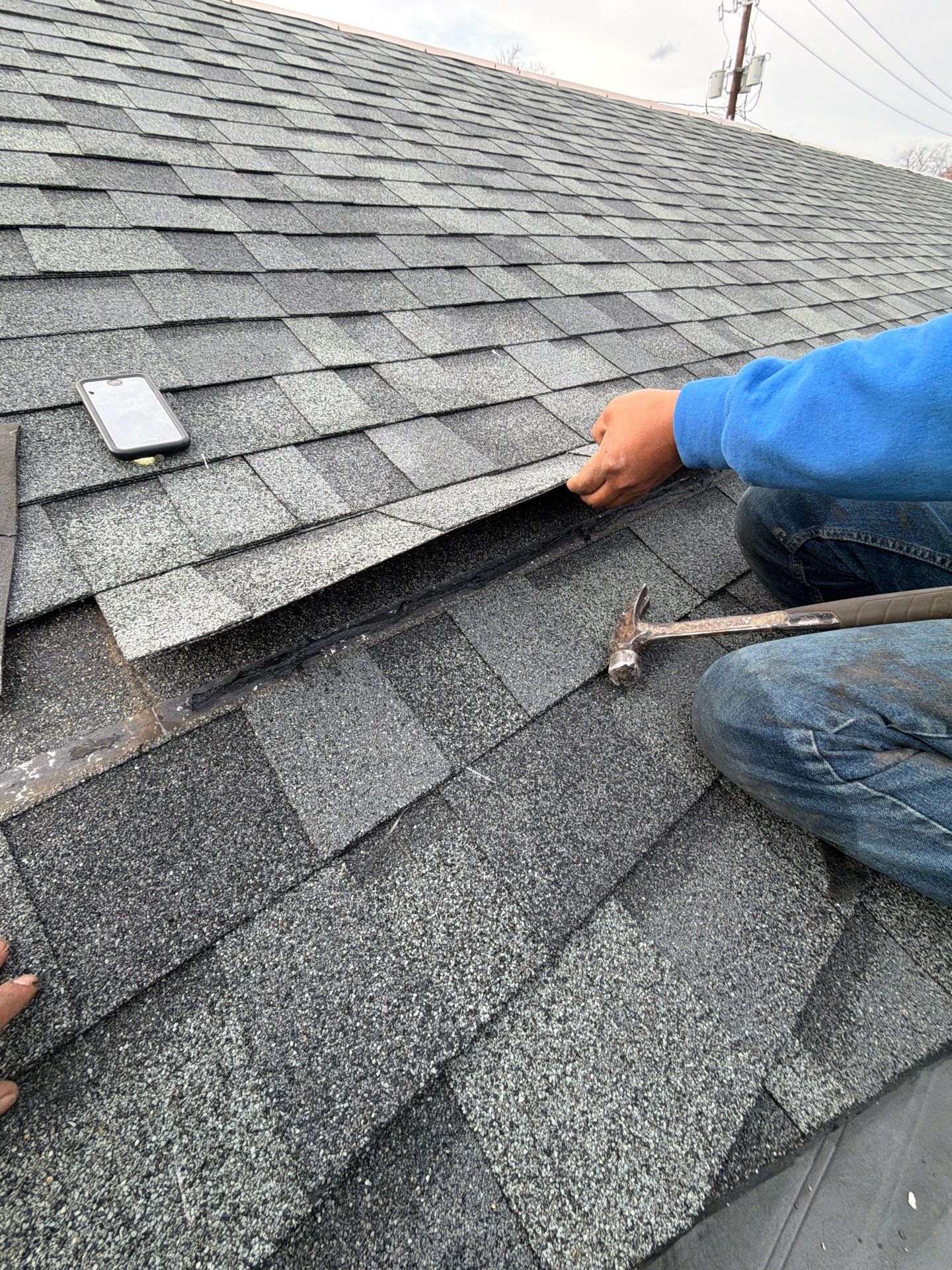
When investing in a new roof, understanding warranties is just as important as choosing the right Roofing Company. At Center Construction Roofing, we often see homeowners overlook critical contract details that directly impact warranty protection. Whether you need Residential Roofing or Commercial Roofing, knowing what should be included in your roofing contract can save you from unexpected costs and disputes later.
What Is a Roofing Warranty
A roofing warranty is a written guarantee that protects you against defects in materials or workmanship. Most warranties fall into two categories. Manufacturer warranties cover defects in roofing materials like shingles. Workmanship warranties are provided by the Roofing Contractor and cover installation errors. Many competitor blogs explain these basics well, but they often miss how these warranties overlap and where gaps can leave homeowners unprotected.
For example, a manufacturer may void a warranty if installation guidelines are not followed. This is why choosing a reliable contractor and understanding contract terms is essential.
Key Elements Every Roofing Contract Should Include
A strong roofing contract should clearly define all terms related to your project and warranty coverage. Here are the must-have elements that are often incomplete or unclear in competitor content:
1. Detailed Scope of Work
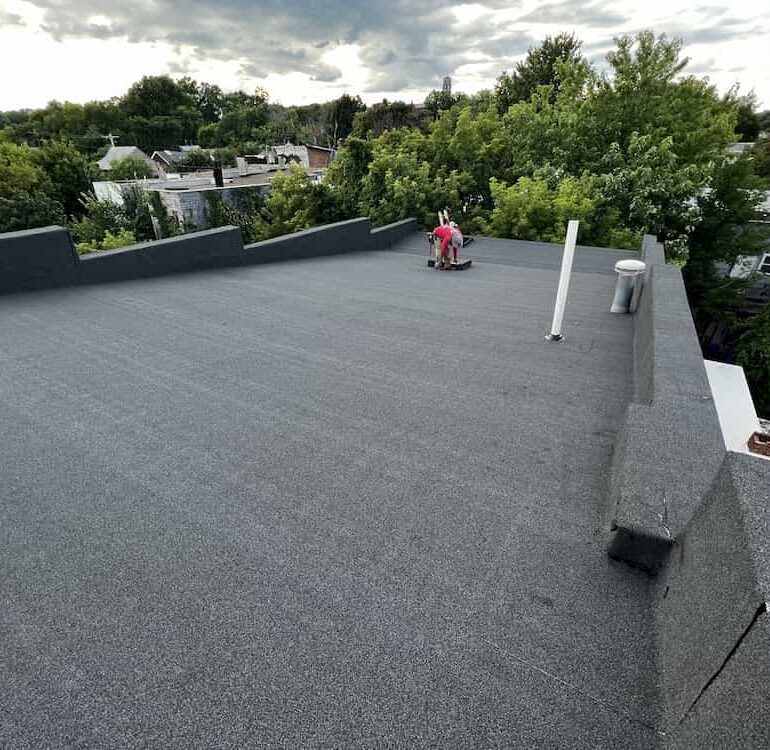
Your contract should outline exactly what work will be performed. This includes materials, labor, removal of old roofing, and cleanup. It should also specify whether you are installing a Flat Roof vs. Sloped Roof, as warranty terms may differ depending on the roof type.
2. Material Specifications
The contract must list the exact brands, types, and grades of materials being used. This ensures your manufacturer warranty remains valid.
3. Workmanship Warranty Terms
Many blogs mention workmanship warranties but fail to explain the duration and coverage. Your contract should clearly state how long the contractor guarantees their work and what is included or excluded.
4. Payment Schedule
A proper contract outlines payment terms, including deposit, progress payments, and final payment. Avoid contracts that demand full payment upfront.
5. Timeline and Project Duration
Your contract should include start and completion dates. Delays should also be addressed, including how they affect warranty coverage.
6. Inspection and Maintenance Requirements
The Importance of roof inspections is often underestimated. Regular inspections may be required to keep your warranty valid, so this should be clearly stated in your agreement.
Types of Roofing Warranties Explained
To better understand what you are getting, here is a simple breakdown:
| Warranty Type | What It Covers | Typical Duration |
|---|---|---|
| Manufacturer Warranty | Defects in roofing materials | 20-50 years |
| Workmanship Warranty | Installation errors | 1-10 years |
| Extended Warranty | Both materials and labor | Up to lifetime |
Common Gaps Found in Competitor Content
After reviewing competitor articles, several gaps stand out that you should be aware of:
Many articles do not explain how warranties can be voided. For example, improper ventilation or lack of maintenance can cancel coverage. Others fail to emphasize the importance of contractor certification, which is often required for extended warranties. Additionally, few mention transferability, which is crucial if you plan to sell your home.
How to Protect Your Roofing Investment
To fully protect your investment, always choose a certified and experienced contractor. A trusted company like Center Construction Roofing ensures that installation meets manufacturer standards, keeping your warranty intact.
Make sure to read your contract carefully before signing. Ask questions about anything unclear, especially warranty exclusions and maintenance requirements. Keeping records of inspections and repairs can also help you avoid disputes in the future.
Why Roof Inspections Matter for Warranty
Routine inspections play a key role in maintaining warranty coverage. Many warranties require periodic checks to ensure the roof remains in good condition. Ignoring this can lead to denied claims.
Professional inspections help identify minor issues before they become major problems, extending the life of your roof and protecting your warranty.
When to Contact a Roofing Professional
If you notice leaks, missing shingles, or structural issues, do not wait. Contact a professional roofing service immediately. Whether it is for repair, replacement, or inspection, working with an experienced contractor ensures your warranty remains valid and your home stays protected.
Frequently Asked Questions
What does a roofing warranty typically cover?
A roofing warranty usually covers material defects and installation errors, depending on the type of warranty included in your contract.
Can a roofing warranty be voided?
Yes, warranties can be voided due to improper installation, lack of maintenance, or unauthorized repairs.
How long does a roofing warranty last?
The duration varies. Manufacturer warranties can last up to 50 years, while workmanship warranties typically range from 1 to 10 years.
Is a workmanship warranty important?
Yes, it protects you from installation mistakes that are not covered by manufacturer warranties.
Do I need regular roof inspections for warranty coverage?
In many cases, yes. Regular inspections help maintain warranty validity and prevent costly issues.