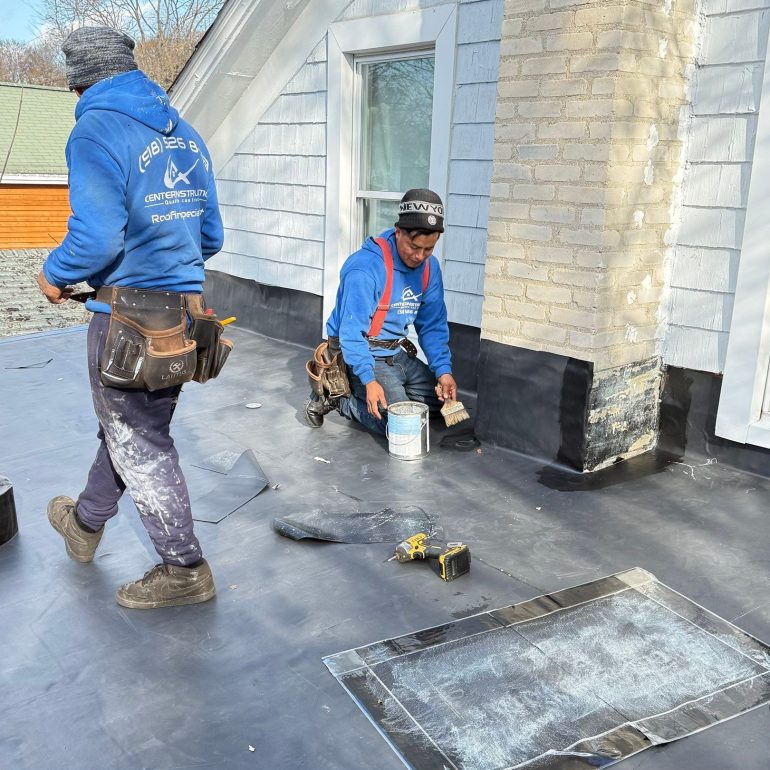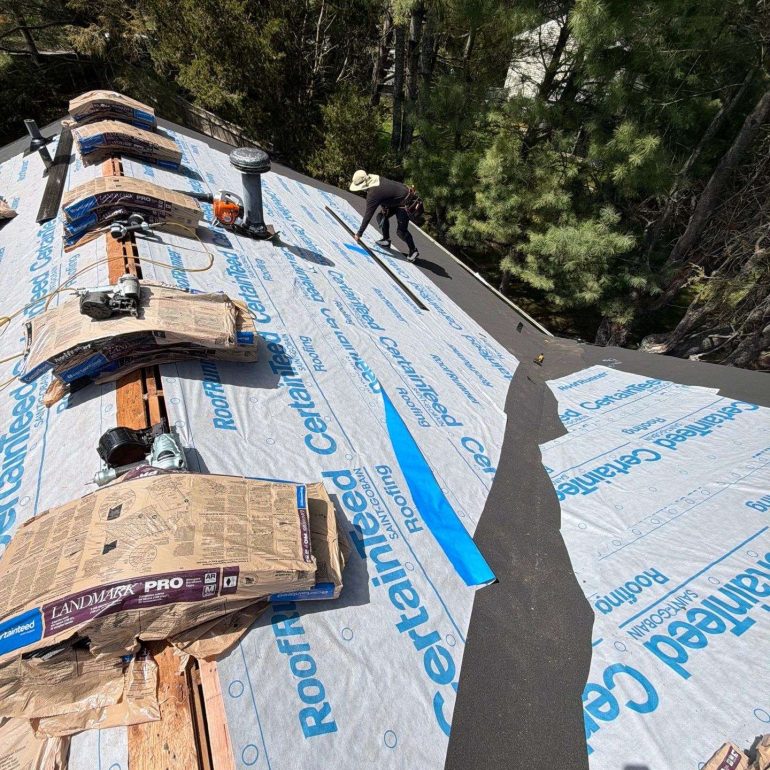


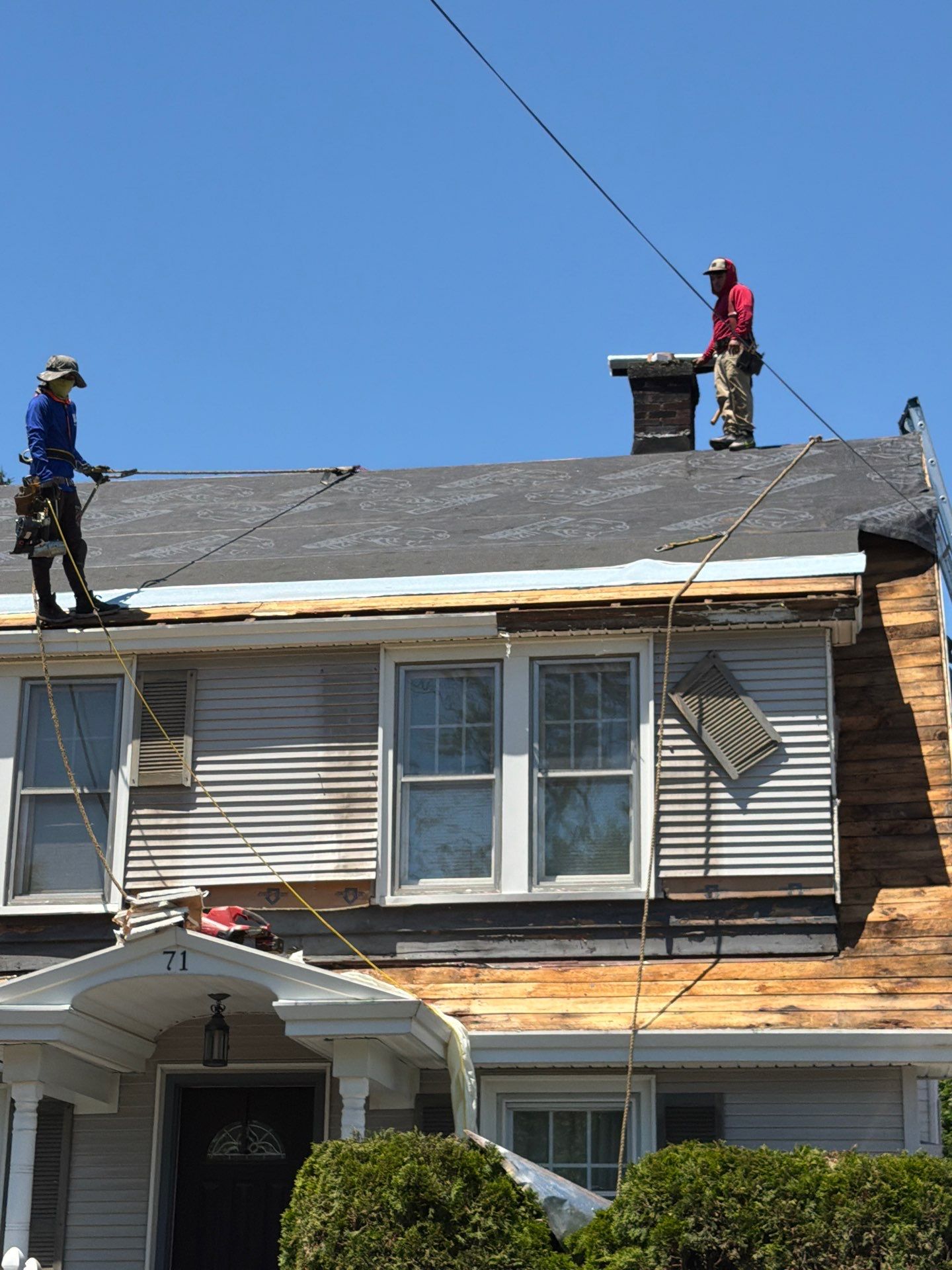
A successful roof replacement depends on more than just installing new shingles. One of the most overlooked yet essential components is Roof Edge Protection, which safeguards the most vulnerable areas of a roofing system. As shown in this residential roofing project by Center Construction Roofing, proper preparation along the roof edges helps prevent water intrusion, protects structural components, and ensures long-lasting performance.
Many homeowners focus on shingle color and material but rarely consider what happens beneath and around the roof’s perimeter. Proper roof edge protection is a key part of every professional Roof Replacement and plays a major role in preventing future roofing problems.
What Is Roof Edge Protection?
Roof edge protection refers to the combination of materials installed along the eaves and rakes before shingles are applied. These components typically include drip edge flashing, synthetic underlayment, ice and water barriers where required, and properly aligned starter materials.
Together, these elements create a protective system that directs rainwater into the gutters instead of allowing it to seep beneath the roofing materials.
Without proper edge protection, even a high-quality roof can become vulnerable to leaks, wood rot, fascia damage, and premature deterioration.
Why Roof Edges Are Most Vulnerable
The edges of a roof experience constant exposure to wind-driven rain, melting snow, ice, and temperature fluctuations. Water naturally flows toward the eaves, making these areas the first line of defense against moisture infiltration.
If the roof edge is not properly prepared during installation, water can work underneath the shingles and damage:
- Roof decking
- Fascia boards
- Soffits
- Exterior walls
- Insulation
Professional Roofing Services always pay close attention to roof edges because correcting these issues after installation is often far more expensive than doing the job correctly from the start.
Key Components of Effective Roof Edge Protection
Several materials work together to create a durable roof edge system.
Drip Edge Flashing
Metal drip edge directs water away from the fascia while protecting the exposed roof decking from moisture.
Synthetic Underlayment
Modern synthetic underlayment provides an additional moisture barrier beneath shingles while improving resistance against wind-driven rain.
Starter Shingles
Starter strips improve wind resistance by creating a secure seal along the roof perimeter.
Ice and Water Shield
In colder climates, self-adhering waterproof membranes help protect vulnerable eaves from ice dam damage and water backup.
Together, these components create multiple layers of protection that improve the overall performance of the roofing system.
Benefits of Proper Roof Edge Protection
Investing in proper roof edge protection during a Roof Replacement offers several long-term advantages.
First, it helps prevent costly water damage by directing rain safely away from the home’s structure.
Second, it extends the lifespan of roofing materials by reducing moisture exposure along the roof perimeter.
Third, it improves resistance against strong winds by securing the first rows of shingles where uplift forces are greatest.
Finally, quality edge protection contributes to better overall roof performance, reducing the likelihood of future repairs and helping homeowners get the maximum value from their investment.
At Center Construction Roofing, every roof replacement is completed with careful attention to roof edge details to ensure lasting durability and dependable weather protection.
Why Professional Installation Matters
Installing roof edge components requires precision and knowledge of local building codes and manufacturer requirements. Improper placement of drip edge, underlayment, or starter shingles can reduce the effectiveness of the entire roofing system.
Experienced roofing professionals understand how each component interacts to create a complete waterproof barrier. During every Roof Inspection, contractors also evaluate existing roof edges for signs of deterioration before recommending replacement.
Choosing an experienced contractor ensures every detail—from the roof decking to the final shingles—is installed according to industry best practices.
FAQ
What is roof edge protection?
Roof edge protection includes drip edge flashing, underlayment, starter shingles, and other materials installed along the roof perimeter to prevent water intrusion and improve roof durability.
Why is roof edge protection important during roof replacement?
It helps direct water away from the roof structure, prevents leaks, protects the fascia and roof decking, and extends the lifespan of the roofing system.
Can damaged roof edges cause leaks?
Yes. If roof edge components are missing, damaged, or improperly installed, water can enter beneath the shingles and cause damage to the roof deck, insulation, and interior of the home.