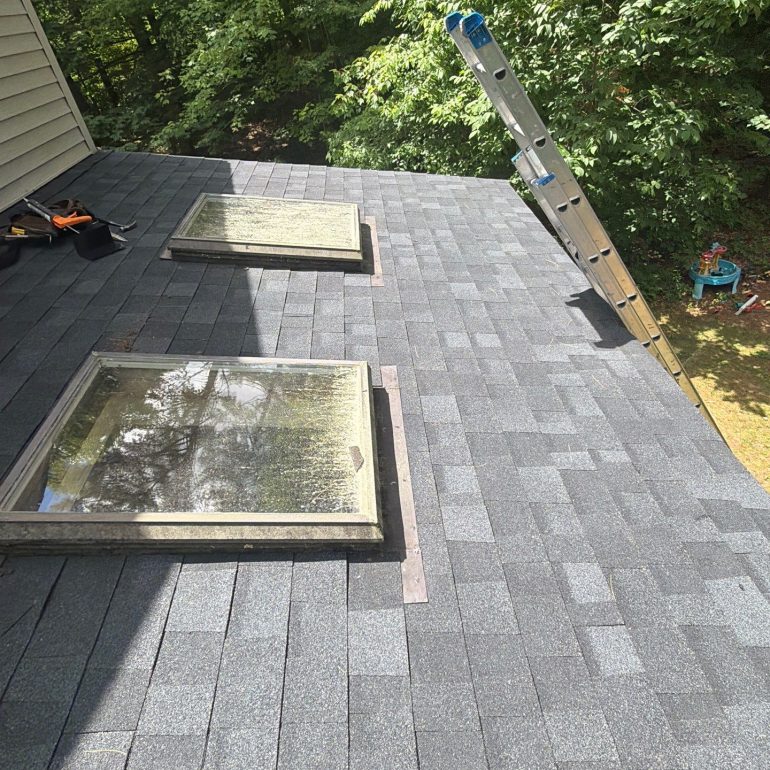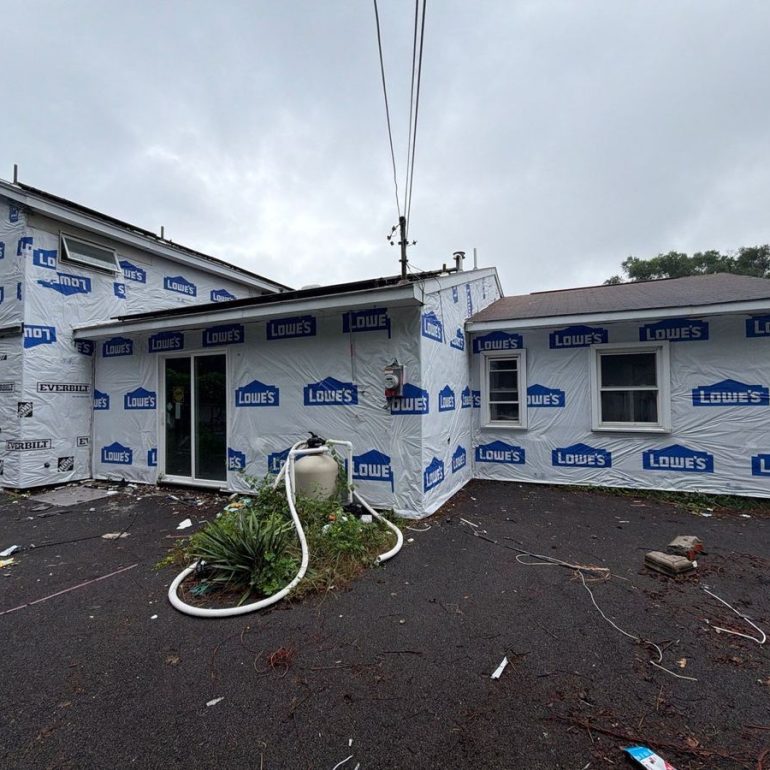

Replacing a roof is one of the most important investments a homeowner can make to protect their property and improve long term value. Whether your roof has reached the end of its lifespan or has suffered severe weather damage, understanding the full replacement process can help reduce stress and avoid unexpected surprises. At Center Construction Roofing Company, homeowners often ask what happens during a replacement project, how long it takes, and what they should prepare for before work begins. Knowing each stage ahead of time makes the entire experience smoother and more manageable.
A professional roof replacement project involves much more than simply removing old shingles and installing new ones. From inspections and material delivery to cleanup and final inspections, every phase plays a critical role in ensuring long lasting performance and protection.
Initial Roof Inspection and Project Planning
The first step in any roof replacement project is a complete inspection. A professional Roofing Contactor evaluates the condition of the current roofing system, identifies hidden structural damage, checks ventilation, and determines whether a full replacement is necessary.
During this phase, homeowners will also discuss roofing materials, budget expectations, warranties, color choices, and project timelines. Many property owners compare Roof Repair vs Roof Replacement before making a final decision. Minor issues such as isolated leaks may only require repairs, but widespread damage or aging materials often make replacement the better long term investment.
A detailed estimate is usually provided after the inspection, including labor, materials, cleanup, and warranty information.
Preparing Your Home Before Installation Begins
Once the project is scheduled, homeowners should prepare both the interior and exterior of the property. Roof replacement can create vibrations throughout the home, especially in the attic and upper floors. Fragile items hanging on walls or shelves should be secured beforehand.
Vehicles should be moved away from the driveway to allow space for dumpsters, material delivery, and contractor equipment. Outdoor furniture, grills, and decorative items should also be relocated to protect them from falling debris.
Professional Residential Roofing contractors typically provide homeowners with a preparation checklist to make the process easier and safer.
Roof Removal and Deck Inspection
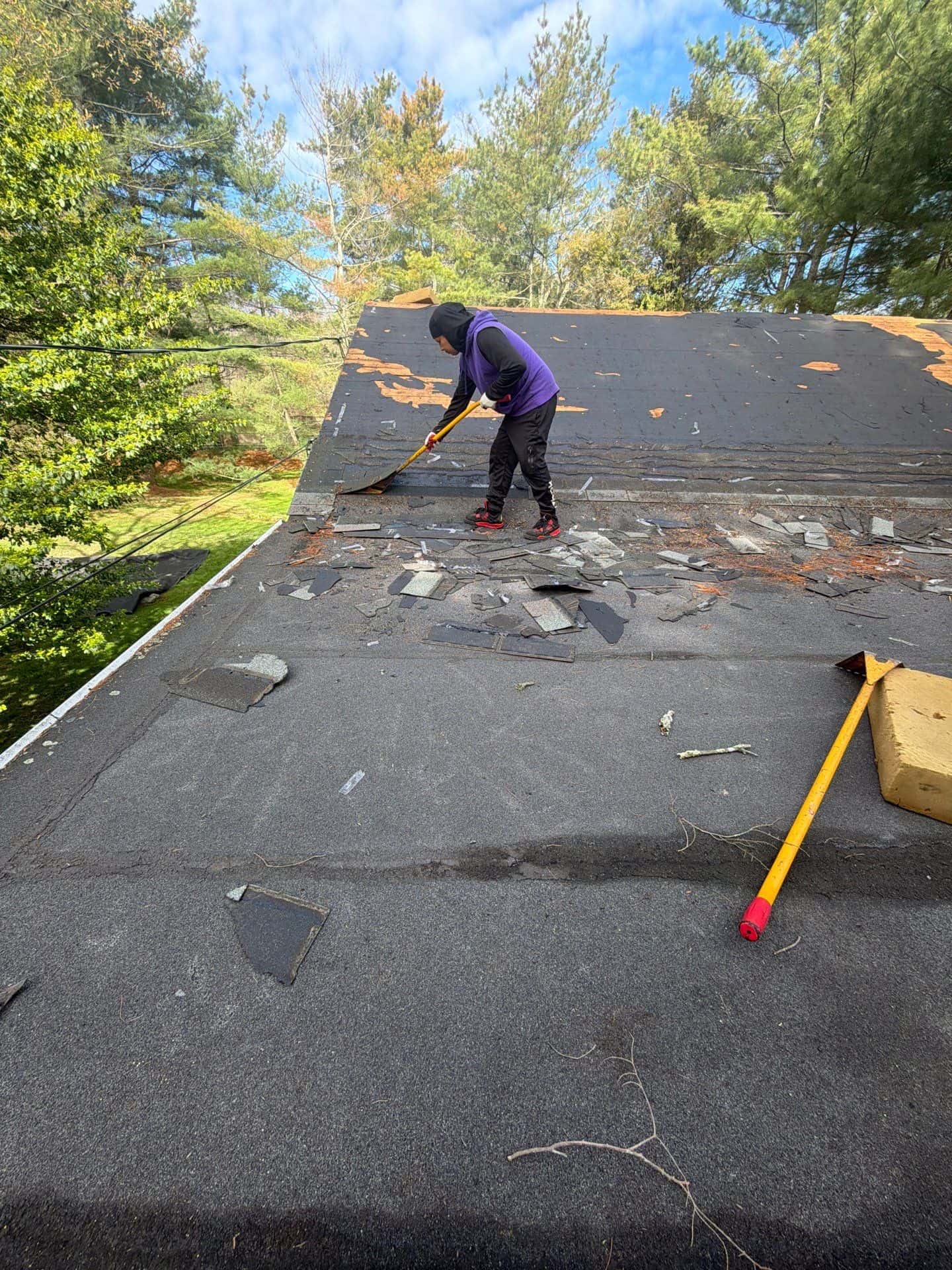
On the first day of installation, the old roofing materials are removed completely. This includes shingles, underlayment, flashing, and damaged components. Once the old roof is stripped away, contractors inspect the wooden roof decking underneath.
If any sections of the decking show signs of rot, moisture damage, or structural weakness, they must be replaced before new materials are installed. This stage is extremely important because even the highest quality shingles cannot perform properly on a damaged foundation.
Many homeowners are surprised to learn that hidden issues are often discovered only after the old roof is removed.
Installation of New Roofing Materials
After the deck inspection is completed, the installation phase begins. Contractors install moisture barriers, drip edges, underlayment, flashing, and ventilation components before applying shingles or other roofing materials.
The exact installation process may vary depending on whether the property uses asphalt shingles, metal roofing, or another roofing system. Proper installation techniques are essential for long term durability and energy efficiency.
Below is a simple overview of the typical roof replacement stages.
| Project Stage | What Happens | Estimated Time |
|---|---|---|
| Inspection and Planning | Roof evaluation and material selection | 1-2 Days |
| Old Roof Removal | Removal of shingles and damaged materials | 1 Day |
| Deck Inspection | Checking for rot and structural issues | Several Hours |
| New Roof Installation | Installing underlayment, flashing, and shingles | 1-3 Days |
| Cleanup and Final Inspection | Debris removal and quality inspection | Same Day |
Cleanup and Final Quality Inspection
Once the installation is complete, contractors perform a full cleanup of the property. Nails, debris, old materials, and leftover supplies are removed carefully from the yard and driveway. Many professional companies use magnetic tools to collect loose nails and metal fragments.
After cleanup, a final inspection is completed to ensure every component was installed correctly and meets manufacturer standards. This is also when homeowners receive warranty documentation and maintenance recommendations.
Understanding your Roofing Warranty Explained details is extremely important because warranties may cover both materials and workmanship depending on the roofing system selected.
How Long Does a Roof Replacement Usually Take
Most residential roof replacements are completed within one to three days, although larger homes or complex roofing systems may take longer. Weather conditions, material availability, roof size, and structural repairs can all affect the timeline.
For larger Commercial Roofing projects, installation may take several days or even weeks depending on the size of the building and roofing system complexity.
Hiring an experienced Roofing Company helps reduce delays and ensures the project stays organized from start to finish.
Signs It May Be Time to Replace Your Roof
Many homeowners delay replacement because roof damage is not always obvious at first. Some common warning signs include missing shingles, recurring leaks, mold growth, sagging roof areas, rising energy bills, and excessive granule loss in gutters.
If your roof is more than 20 years old, a professional inspection can help determine whether repairs are still practical or if replacement is the safer long term option.
Why Professional Installation Matters
Roof replacement is a major construction project that requires skilled labor, safety equipment, and proper installation techniques. Poor workmanship can lead to leaks, ventilation issues, structural damage, and warranty problems later on.
Working with experienced professionals ensures your new roof is installed correctly, complies with local building codes, and provides reliable protection for years to come. Homeowners considering roofing services should always verify licensing, insurance, experience, and warranty coverage before choosing a contractor.
Frequently Asked Questions
How disruptive is a roof replacement project?
Roof replacement can be noisy during active installation hours, but most homeowners are able to remain inside the home throughout the process. Professional contractors work efficiently to minimize disruptions and maintain site safety.
Will my landscaping be protected during roof replacement?
Most professional roofing crews take precautions to protect landscaping, driveways, siding, and outdoor features by using tarps and designated debris collection areas.
Can bad weather delay roof replacement?
Yes, rain, snow, and high winds can delay installation because roofing materials must be installed under safe and dry conditions for proper performance.
What type of roofing material lasts the longest?
Metal roofing and premium architectural shingles are among the most durable roofing options available for residential properties today.
Should I stay home during roof replacement?
Homeowners can stay home during the project, but some people prefer leaving temporarily because of noise and vibrations during roof removal and installation.