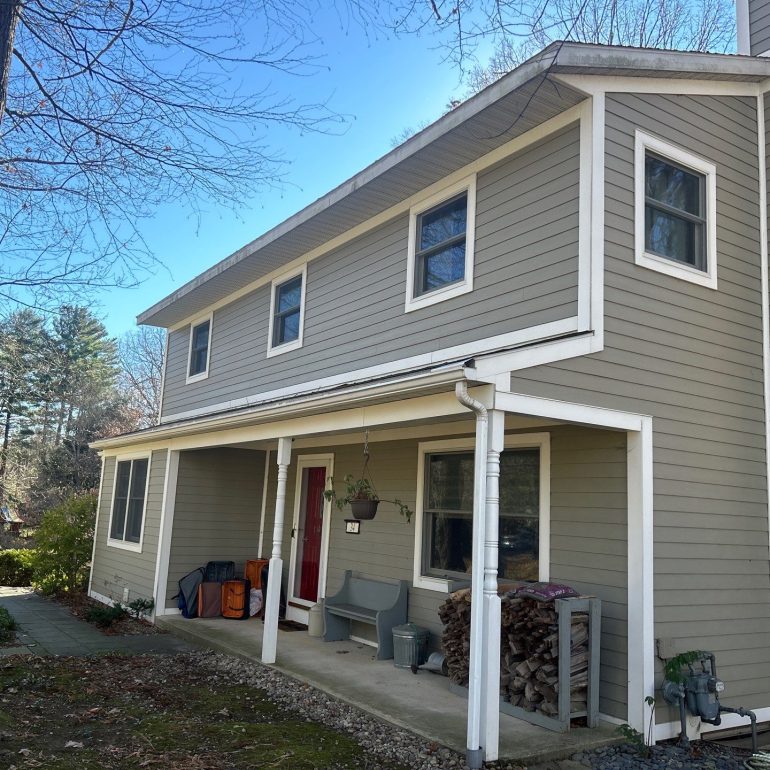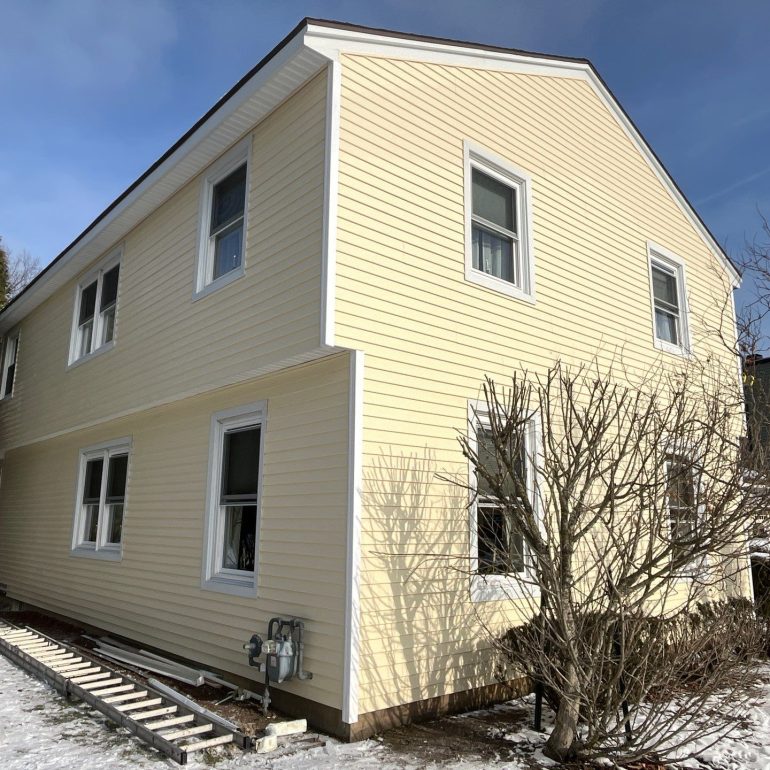

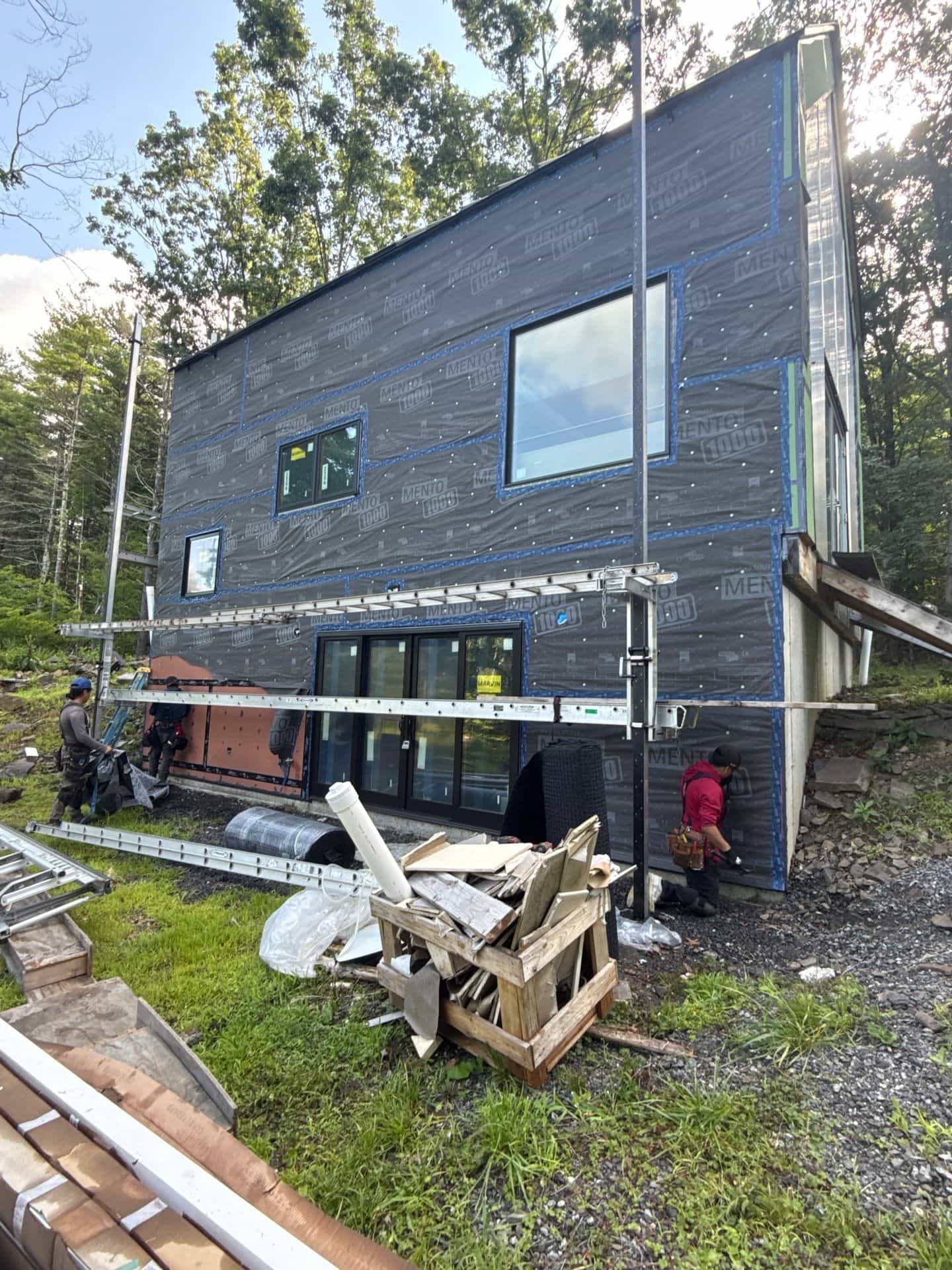
Modern siding is designed to enhance curb appeal and protect your home from the elements, but its performance depends on what lies beneath it. A properly installed weather resistive barrier (WRB) creates a protective layer between the exterior wall sheathing and the siding, helping prevent moisture intrusion while improving the home’s overall durability. Before any siding panels are installed, this hidden component plays a critical role in protecting the structure from water damage, air infiltration, and mold growth. At Center Construction Roofing, every Siding Installation project begins with careful attention to this essential layer.
What Is a Weather Resistive Barrier?
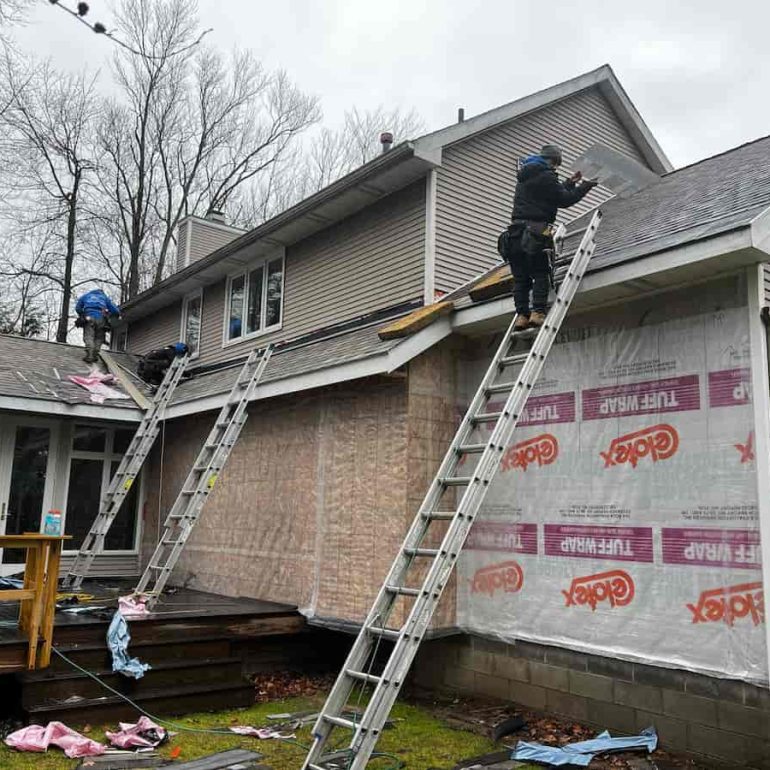
A weather resistive barrier is a specialized membrane installed over the wall sheathing before exterior siding is attached. Its primary purpose is to stop rain and moisture from reaching the structural components of the home while still allowing trapped water vapor to escape.
Unlike siding, which serves as the home’s visible exterior finish, the WRB provides secondary protection when wind-driven rain or moisture gets behind the siding system. This extra layer helps preserve the wall assembly and supports the long-term performance of the entire exterior.
Whether the home features vinyl, fiber cement, engineered wood, or composite siding, a professionally installed weather resistive barrier is an important part of a complete exterior system.
Why a Weather Resistive Barrier Is Essential Before Siding Installation
Many homeowners focus on selecting the right siding material but overlook the importance of the protective layers underneath. Installing siding without a properly integrated weather resistive barrier can increase the risk of moisture-related issues over time.
Some of the key benefits include:
- Protects wall sheathing from rain and moisture.
- Helps reduce the risk of mold and mildew.
- Improves resistance to wind-driven rain.
- Supports better energy efficiency by reducing air leakage.
- Extends the lifespan of exterior wall components.
- Provides an additional line of defense if siding becomes damaged.
When combined with professional Exterior Siding Installation, a weather resistive barrier helps create a stronger and more reliable building envelope.
How Proper Installation Makes a Difference
Even the highest-quality weather barrier can fail if it is installed incorrectly. Every seam, fastener, window opening, and penetration must be carefully sealed according to manufacturer guidelines.
Professional installers ensure that:
- Horizontal and vertical seams are properly overlapped.
- Flashing is integrated around windows and doors.
- Fasteners are installed without compromising the membrane.
- Corners and transitions receive additional protection.
- Moisture is directed away from the wall assembly.
These details help prevent hidden leaks that may not become visible until significant damage has already occurred.
Proper installation also allows the weather barrier to work together with the siding system rather than acting as an independent layer.
The Role of Weather Barriers in Energy Efficiency
A well-installed weather resistive barrier does more than protect against moisture. It also contributes to improved indoor comfort by reducing uncontrolled air movement through exterior walls.
By limiting drafts and minimizing air infiltration, homeowners may experience:
- More consistent indoor temperatures.
- Reduced strain on heating and cooling systems.
- Improved overall energy efficiency.
- Better long-term performance of wall insulation.
While insulation slows heat transfer, the weather barrier helps control unwanted airflow and moisture, allowing the entire wall system to function more effectively.
Pairing a quality WRB with professional Siding Replacement or new construction can improve both durability and comfort for years to come.
Choosing the Right Contractor for Siding Preparation
Installing a weather resistive barrier requires careful planning and attention to detail. Every home has unique wall designs, window configurations, and exposure to local weather conditions that influence how the barrier should be installed.
At Center Construction Roofing, our team follows industry best practices to ensure every weather barrier is properly integrated before siding installation begins. From sealing vulnerable areas to preparing the wall surface, we focus on creating a durable exterior system built to withstand changing weather conditions.
Taking the time to prepare the wall correctly before siding installation helps reduce future maintenance needs while protecting your investment.
Why Homeowners Trust Center Construction Roofing
A beautiful siding installation starts long before the first panel is attached. At Center Construction Roofing, we understand that quality craftsmanship begins with proper preparation. We use trusted installation methods and premium materials to build exterior wall systems that provide lasting protection against moisture, wind, and everyday wear.
Whether you’re constructing a new home or upgrading an existing exterior, our experienced team is committed to delivering dependable results from the weather barrier to the finished siding.
FAQ
What is a weather resistive barrier?
A weather resistive barrier is a protective membrane installed beneath exterior siding to help prevent water intrusion while allowing moisture vapor to escape, protecting the home’s wall structure.
Is a weather resistive barrier required before siding installation?
In many building codes and manufacturer installation guidelines, a weather resistive barrier is recommended or required because it provides critical protection against moisture and helps improve the durability of the exterior wall system.
Can siding be installed without a weather resistive barrier?
Although some older homes may not have one, installing new siding without a properly integrated weather resistive barrier increases the risk of water damage, mold, and reduced energy efficiency. A professional installation should always include the appropriate moisture protection layer whenever applicable.