

A satellite dish bolted to your shingles is easy to forget until it is time for a new roof. Then the questions start: Who removes it? Who puts it back? Will it leak? Planning your satellite dish roof replacement details ahead of time prevents service interruptions, surprise fees, and the hidden leaks that old dish mounts often leave behind. At Center Construction Roofing, we handle roof-mounted equipment carefully on every replacement and help homeowners choose the best plan before tear-off day.
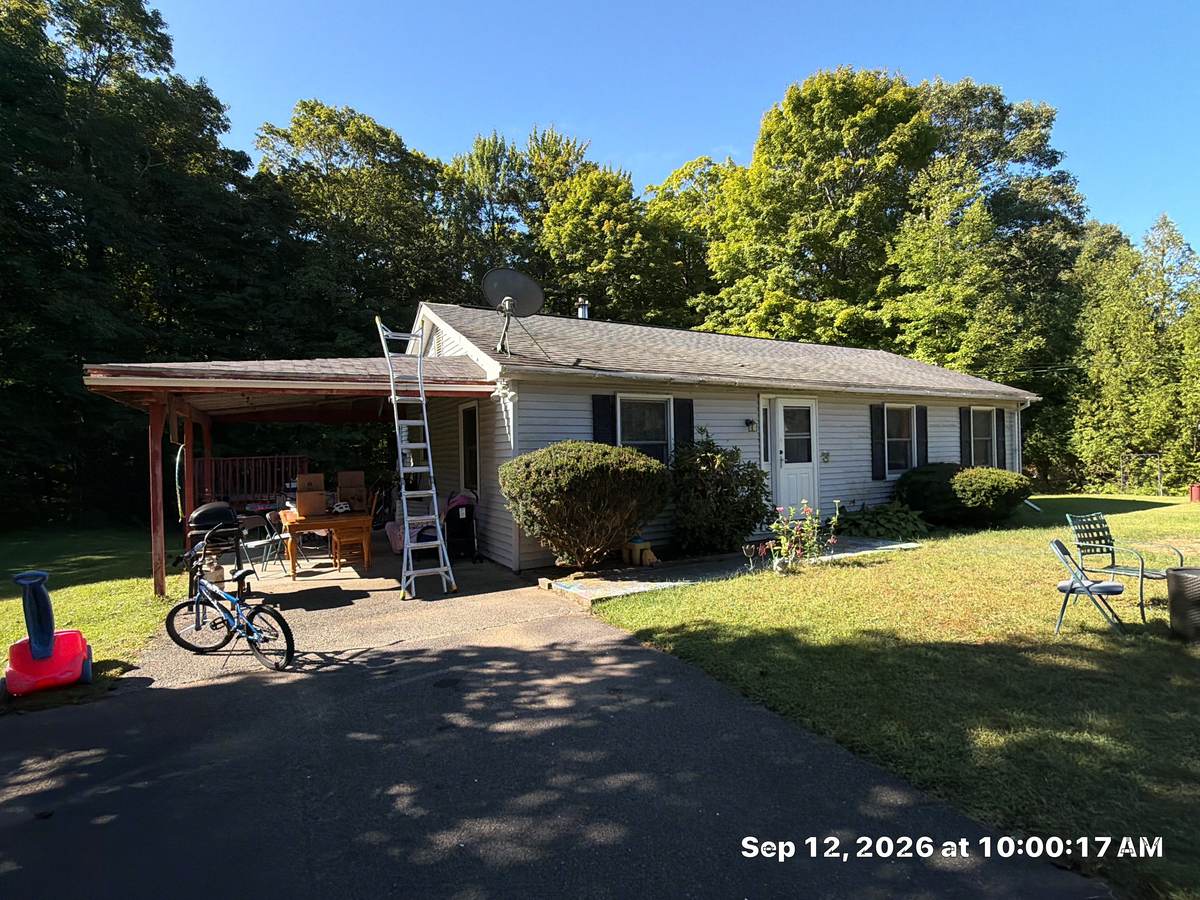
The dish sits right on the main roof slope, which is very common in rural parts of the Capital Region.
Why a Satellite Dish Matters During a Roof Replacement
A dish mount is attached with lag bolts that go through the shingles, underlayment, and roof deck. Every bolt is a hole in your roof. When new shingles are installed, those holes and the mount itself must be dealt with properly, or water can follow the bolts straight into the decking.
Old Mounts Are a Common Leak Source
Many dish mounts are sealed only with caulk or roofing cement. Over years of sun, snow, and freeze-thaw cycles, that sealant dries and cracks. During tear-off, we often find soft or stained decking directly under old dish mounts. If you have noticed a ceiling stain near where your dish sits, read our guide on common roof leak causes and warning signs.
The Dish Cannot Stay in Place
Shingles cannot be installed properly around a mount that is still bolted down. The dish must be detached so the roof underneath can be fully stripped, inspected, and covered with new underlayment and shingles.
Your Options for the Satellite Dish
Before the project starts, decide which option fits your household best.
Option 1: Remove and Reinstall on the Roof
The dish is detached before tear-off, set aside safely, and reinstalled after the new shingles are in place using a properly flashed mount. The dish will usually need to be re-aimed afterward to get a full signal, which is often done by your TV or internet provider.
Option 2: Relocate the Dish Off the Roof
A new roof is the perfect time to move the dish to a wall, fascia board, chimney bracket, or ground pole. This removes roof penetrations completely and makes future roof maintenance easier. Your provider can tell you which locations have a clear line of sight to the satellite.
Option 3: Remove the Dish Permanently
Many households now use streaming services or fiber internet and no longer need satellite service. If the dish is unused, removing it and patching the holes is the simplest solution. Check with your provider first, because some companies own the equipment and may want it returned.
How We Handle a Satellite Dish During Roof Replacement
When we perform a roofing replacement on a home with a roof-mounted dish, our process looks like this:
- Discuss the plan with you during the estimate so you know whether the dish will be reinstalled, relocated, or removed.
- Disconnect and remove the dish carefully, keeping the cable and hardware together.
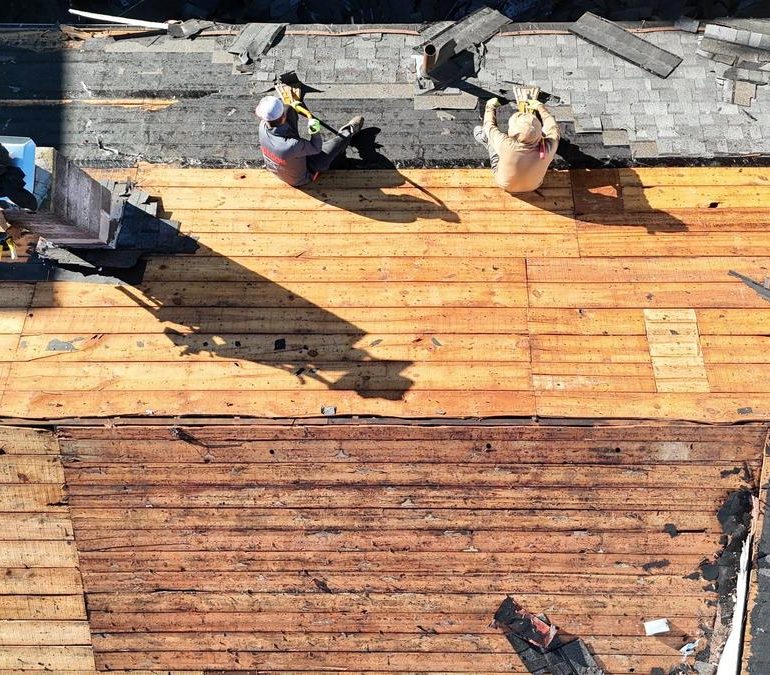
- Inspect the decking under the old mount for rot or water damage and repair it as needed.
- Seal or replace damaged decking where old bolt holes were located.
- Install new underlayment and shingles over the entire area.
- Reinstall with a flashed mount if the dish is going back on the roof, rather than relying on caulk alone.
Who Is Responsible for Re-Aiming the Dish?
Roofers can remove and remount a dish, but precise signal alignment usually requires the provider’s equipment and technician. We recommend calling your satellite or internet company before the project to schedule a reconnection visit for the day the roof is completed. Some providers charge a fee for this, so ask ahead of time.
Other Roof Equipment to Plan For
A satellite dish is not the only item that needs attention during a roof replacement. Make a list of everything attached to your roof before work begins:
- Antennas and old unused mounts
- Solar panels or solar water heaters
- Security cameras and outdoor lights near the roof line
- Lightning protection systems
- Holiday light clips and hooks
- Snow guards and heat cables
Sharing this list during your estimate helps your contractor plan the job and avoid delays. For a full overview of the project timeline, see what to expect during a roof replacement project.
Why Attached Carports and Porch Roofs Need Attention Too
Homes like the one in our photo often have an attached carport or porch roof tied into the main roof. These lower-slope sections can wear out faster and are prone to leaks where they meet the house. If you are replacing the main roof, it is worth having these attached sections inspected at the same time so the flashing and shingles match and all transitions are sealed properly.
Plan Your Roof Replacement With Confidence
A little planning around your satellite dish prevents leaks, lost service, and extra costs. Center Construction Roofing is a Owens Corning Preferred contractor serving Albany, Schenectady, Saratoga, Columbia County, and southern Vermont. We will walk you through every detail, including roof equipment, before the project starts. Call (518) 520-4511 to schedule your free roof replacement estimate.
Frequently Asked Questions
Do roofers remove satellite dishes during roof replacement?
Yes. Most roofing contractors detach the dish before tear-off so the roof underneath can be replaced. Ask your contractor during the estimate whether reinstallation is included in the price.
Will my satellite dish work after a new roof is installed?
It should, but the dish usually needs to be re-aimed after reinstallation. Your satellite or internet provider typically handles signal alignment.
Can a satellite dish cause roof leaks?
Yes. The bolts that hold a dish mount go through the roof. If the mount is not properly flashed or the sealant breaks down, water can leak into the decking and attic.
Should I move my satellite dish off the roof?
If a wall, fascia, or ground pole location has a clear signal path, relocating the dish removes roof penetrations and lowers future leak risk. A roof replacement is the best time to make that change.
What happens to the old bolt holes from my satellite dish?
During a full roof replacement, the old shingles are removed, damaged decking is repaired, and new underlayment and shingles cover the area, so old holes are fully sealed under the new roof system.
Should I call my satellite provider before my roof replacement?
Yes. Let your provider know the project dates so they can advise on equipment ownership and schedule a technician to restore service after the new roof is finished.